
How to Source Custom Sports Clothing for Clubs, Events and Corporate Teams in Australia
A complete guide to sourcing custom sports clothing in Australia — covering decoration methods, MOQs, budgeting tips, and finding the right supplier.

Written by
Kai Williams
Custom Apparel
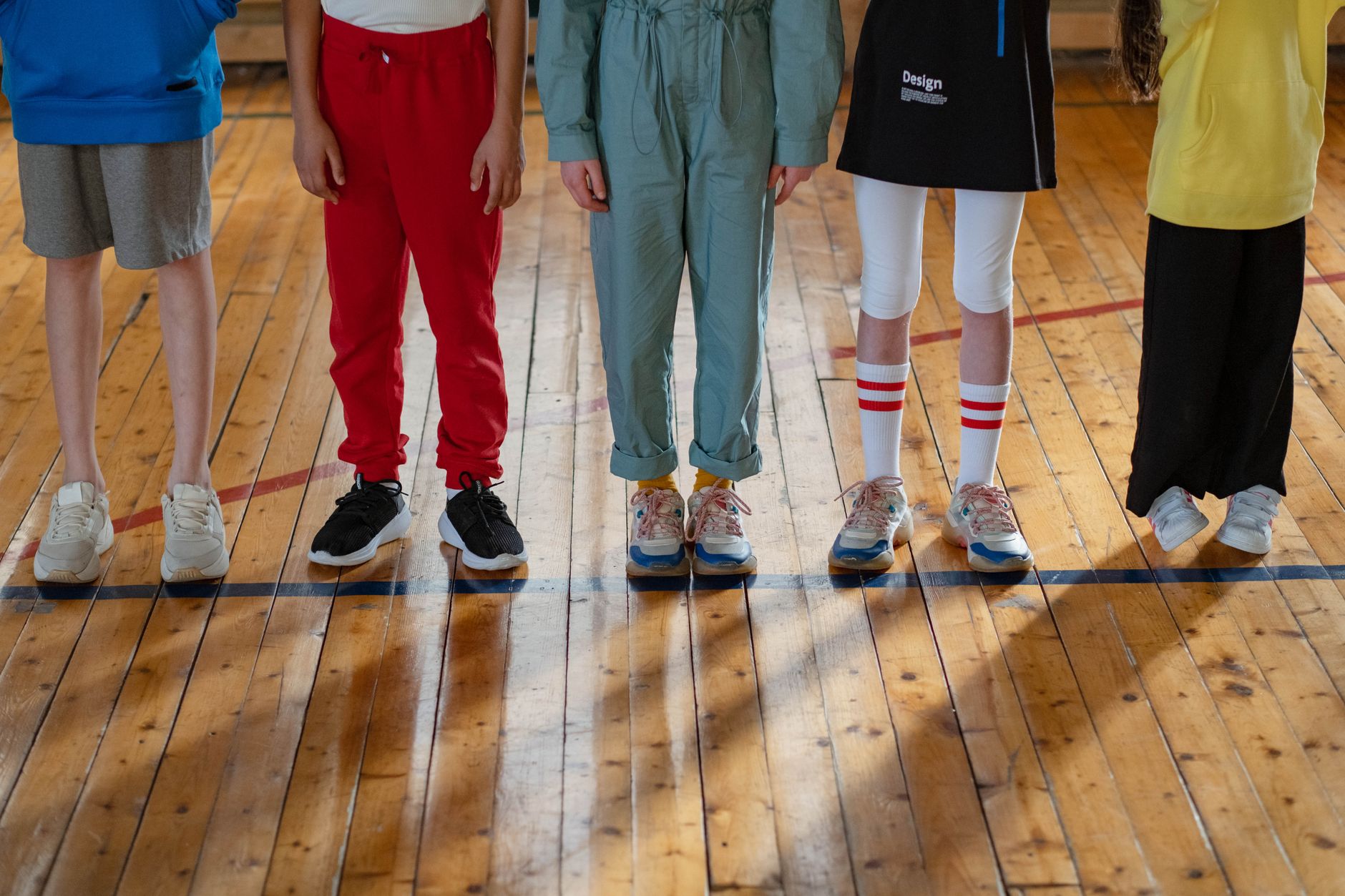
Choosing the right sports clothing for your club, corporate team, or upcoming event is about far more than picking a colour and slapping a logo on a jersey. For resellers, marketing agencies, and businesses ordering branded apparel in volume, the decision involves balancing quality, decoration techniques, minimum order quantities, turnaround times, and budget — all while keeping your end client happy. Whether you’re helping a Gold Coast surf school kit out its instructors, organising uniforms for a Brisbane amateur football club, or sourcing matching polos for a Sydney corporate wellness day, getting your approach right from the start saves significant time, money, and headaches down the track.
Why Custom Sports Clothing Is One of the Most Valuable Branded Merchandise Categories
Branded apparel has always been a cornerstone of the promotional products industry, but sports clothing occupies a particularly powerful position. Unlike a branded pen or a USB drive, a well-designed sports garment gets worn repeatedly in public — at training sessions, weekend matches, charity fun runs, and community events. That means ongoing brand exposure for every wear.
For resellers working with sporting clubs across Melbourne, Perth, and Adelaide, this translates into repeat orders season after season. For marketing agencies pitching to corporate clients, branded sports clothing makes compelling wellness and team-building merchandise. And for businesses investing in staff uniforms, performance sportswear communicates professionalism and team cohesion in a way that generic workwear simply cannot.
If you’re newer to this product category, our guide to working with promotional product experts is a great starting point for understanding how to navigate the supplier landscape before you place your first order.
Understanding the Different Types of Sports Clothing Available
Before diving into decoration and sourcing logistics, it’s worth mapping out the main product types you’ll encounter in this category. Not all sports clothing is created equal, and the right choice depends entirely on the end use.
Performance Tees and Polos
Moisture-wicking performance tees are the workhorse of the sports clothing category. Made from polyester or polyester-spandex blends, these garments manage sweat effectively during physical activity. They’re a top choice for fun runs, corporate sports days, and team events. Polos in performance fabric are equally popular for golf days and corporate wellness programs — for more on wellness-driven merchandise, see our article on promotional sunscreen for corporate wellness programs in Australia.
Sports Shorts and Compression Gear
Branded shorts and compression tights are less commonly ordered through promotional channels but are increasingly popular with sporting clubs and fitness studios. These items typically require sublimation printing for full-colour designs, which we’ll cover in more detail shortly.
Caps and Headwear
While technically accessories, branded sports caps are almost always ordered alongside sports clothing for a complete team look. They’re especially popular for cricket clubs, golf days, and outdoor events across Queensland and Western Australia where sun protection is a genuine concern.
Hoodies and Track Jackets
For team warm-up gear, post-game comfort wear, and cooler-climate events in cities like Canberra, Hobart, and Melbourne, hoodies and track jackets are a staple. These are typically decorated with embroidery or heat transfer, and they command a higher price point that reflects their perceived value as team merchandise.
For a broader view of how apparel fits into a complete branded merchandise strategy for businesses, our post on promotional products for companies covers the full picture.
Choosing the Right Decoration Method for Sports Clothing
This is where a lot of first-time buyers and even experienced resellers get tripped up. The decoration method you choose affects the look, durability, feel, and cost of the finished garment — and not every method suits every fabric or design.
Sublimation Printing
Sublimation is the gold standard for custom sports clothing, particularly for performance polyester garments. The process bonds ink directly into the fabric fibres, producing vibrant, full-colour designs that won’t crack, peel, or fade — even after hundreds of washes. It’s perfect for AFL jerseys, netball bibs, cycling kits, and custom football shorts.
The key limitation of sublimation is that it only works on white or very light-coloured polyester fabrics. It’s also generally only cost-effective when you’re doing a full garment print, rather than a simple chest logo. For a deep dive into premium decoration finishes, our quality guide to foil stamping for promotional products explores how high-end decoration can elevate perceived brand value.
Screen Printing
Screen printing is the most common decoration method for bulk sports tees and casual athletic wear. It’s cost-effective at volume, produces bold and vibrant colours, and works well on cotton and cotton-blend garments. If you’re organising a fun run in Adelaide or a school sports carnival across a Sydney primary school, screen printing on a large run of cotton tees is typically the most budget-friendly approach.
Keep in mind that screen printing has setup fees per colour, so designs with multiple colours can add up quickly. Simple, bold designs with one to three colours are where screen printing truly shines.
Embroidery
Embroidery is better suited to polo shirts, caps, and jackets than to lightweight performance tees. It adds a premium, professional look that works well for corporate sports teams and branded polo collections. If your client is a real estate agency, law firm, or financial services company putting together a team for a corporate golf day, embroidered polos carry the right tone.
For resellers in particular, understanding the nuances of each decoration method is essential. Our sport clothing category has additional examples and product options worth exploring.
Heat Transfer Vinyl and Digital Heat Transfer
Heat transfer methods offer flexibility for smaller runs and complex multicolour designs. Digital heat transfer, in particular, allows photo-quality graphics to be applied to garments — useful for event-specific designs or limited-edition team merchandise.
Minimum Order Quantities and Budgeting for Sports Clothing Projects
MOQs vary considerably across the sports clothing category. Here’s a general overview to help you plan:
- Sublimation jerseys: MOQs typically start at 10–20 units, though some suppliers offer lower quantities at a premium price per unit
- Screen-printed tees: MOQs of 25–50 units are standard; bulk pricing kicks in significantly at 100+ units
- Embroidered polos and caps: MOQs can be as low as 12 units with most suppliers
- Hoodies and track jackets: MOQs of 20–50 units are typical
For budget planning, the general principle is that unit cost decreases meaningfully as quantity increases. If you’re ordering 200 screen-printed tees for a corporate fun run versus 25, your per-unit cost could be 40–60% lower. Always factor in decoration setup fees, freight, and any artwork digitisation costs into your client quotes.
If you’re sourcing for clients in specific regions, our guides to promotional products in Newcastle and wholesale promotional products in Sydney can help you navigate local supplier options.
Artwork, Colour Matching, and Proof Approvals
One of the most common sources of delay and frustration in sports clothing orders is artwork. Here’s what you need to have ready before placing an order:
Vector files are essential. For screen printing, embroidery digitisation, and most other decoration methods, you’ll need artwork supplied as a vector file (AI, EPS, or high-resolution PDF). Raster images (JPG, PNG) may be acceptable for digital heat transfer and DTG printing, but always check with your supplier.
PMS colour matching matters. If your client’s brand has specific Pantone colours, make sure your decoration supplier can match them. This is particularly important for screen printing. Sublimation printing, by nature, offers a broader colour range but cannot always achieve exact PMS matches.
Always approve a physical sample or digital proof before full production. This is non-negotiable for large orders. A digital proof costs nothing and catches errors before they become expensive.
Turnaround Times and Planning Your Order
Standard turnaround for decorated sports clothing in Australia runs between 10 and 15 business days from artwork approval. Rush production is available through many suppliers but typically attracts a surcharge.
For event-driven orders — think a Melbourne Cup corporate event, a school athletics carnival, or a charity fun run — always allow a buffer of at least two to three weeks beyond your expected delivery date. Supply chain variables, particularly for imported blank garments, can introduce unexpected delays.
For resellers managing multiple client orders simultaneously, building a reliable network of vetted suppliers is crucial. Our resource on finding promotional product experts and promotional products for recruitment businesses in Sydney both offer guidance on building efficient supplier relationships.
Expanding Your Branded Sports Merchandise Offering
Sports clothing rarely gets ordered in isolation. Most clients looking for team sports kits, corporate wellness merchandise, or event apparel are also in the market for complementary products. Expanding your offering to include related items increases average order value and makes you a one-stop resource for your clients.
Consider bundling sports clothing with:
- Branded drinkware — travel ceramic mugs for post-workout recovery or corporate wellness gift packs
- Reusable bags — branded tote bags or shopping reusable bags for race day packs and event giveaway kits
- Tech accessories — waterproof phone cases are a natural fit for outdoor sports and adventure-focused clients
- Eco-friendly add-ons — recyclable pens for registration desks and event check-in tables
- Seasonal merchandise — Santa hats for end-of-year sporting club presentations or Christmas fun runs
For clients in coastal regions, consider pairing sports clothing orders with recycled ocean plastic branded sunglasses — a particularly compelling option for surf schools, beach volleyball clubs, and coastal sporting associations.
Key Takeaways
Sourcing custom sports clothing for clubs, businesses, or events is a rewarding but detail-intensive process. Get it right and you’ll build long-term client relationships built on quality, reliability, and smart product recommendations. Here are the essentials to remember:
- Choose your decoration method based on fabric and design complexity — sublimation for full-colour performance garments, screen printing for bulk cotton tees, embroidery for premium corporate polos and outerwear
- Plan your MOQs and budget carefully — unit costs drop significantly at higher volumes, and setup fees can catch out first-time buyers if not factored in upfront
- Prepare artwork in vector format and always go through a proof approval process before committing to full production
- Build in lead time — allow 10–15 business days minimum, plus a buffer for event-critical orders
- Expand your offering by bundling sports clothing with complementary branded products to increase order value and better serve your clients
With the right supplier network, a solid understanding of decoration methods, and a careful approach to artwork and timelines, sourcing custom sports clothing becomes a high-value, repeatable revenue stream for any reseller or marketing agency in Australia.