
Promotional Products for Companies: The Complete Australian Business Guide
Discover how Australian companies can choose, order, and maximise promotional products to boost brand visibility and engagement in 2026.

Written by
Ethan Kowalski
Corporate Gifts
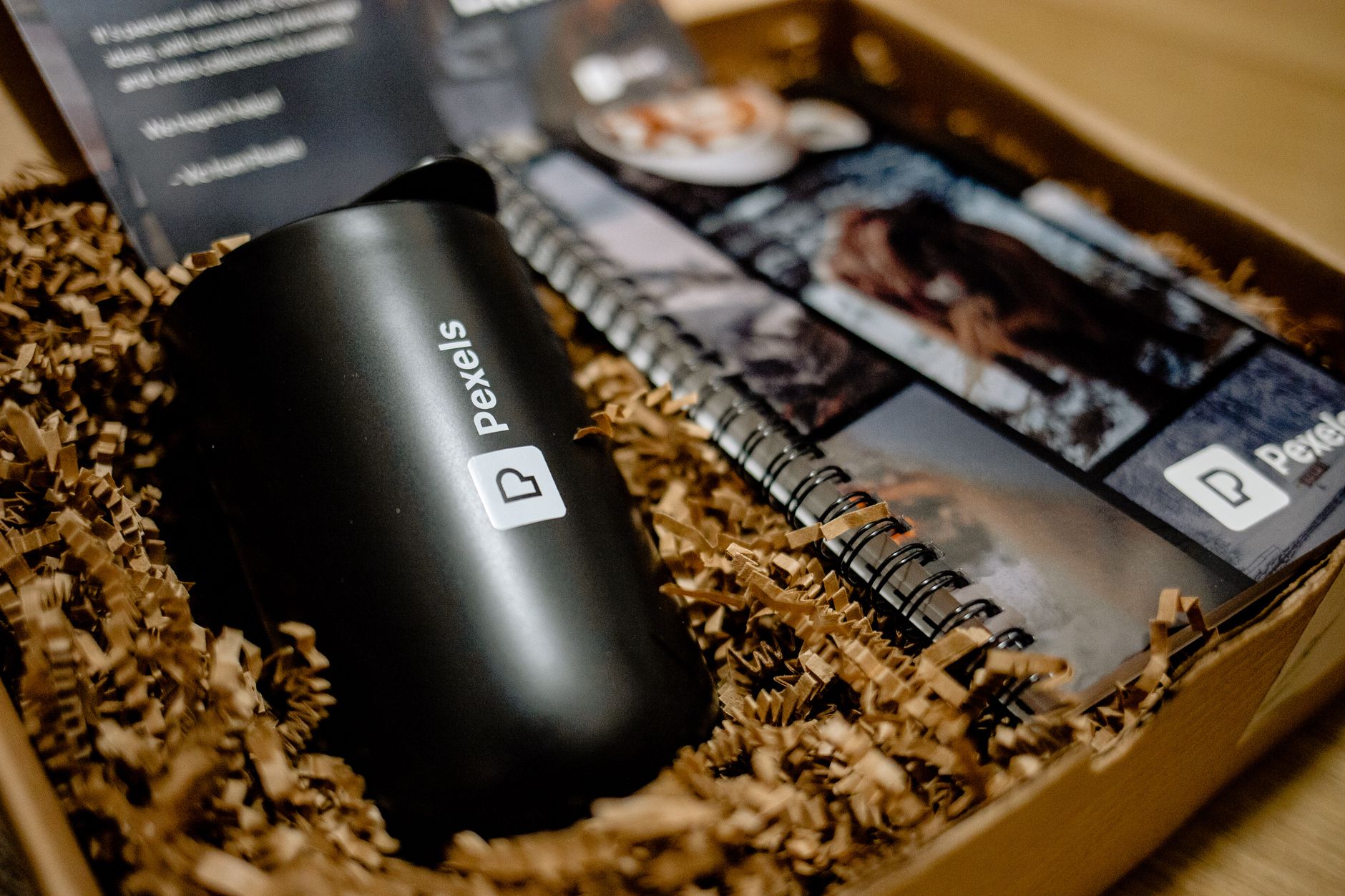
Choosing the right promotional products for companies is one of the smartest investments a marketing budget can make — yet it’s also one of the most underestimated. Whether you’re a Sydney-based corporation gearing up for your annual conference, a Melbourne marketing agency sourcing branded merchandise for a client, or a Brisbane startup building brand recognition from the ground up, the right promotional product can put your logo in front of thousands of people for months, even years. But with hundreds of product categories, decoration methods, and supplier options available across Australia, knowing where to start can feel overwhelming. This guide cuts through the noise and gives you a clear, practical framework for selecting, ordering, and maximising promotional products for your company.
Why Promotional Products Still Deliver Exceptional ROI for Australian Businesses
In an era dominated by digital advertising, it’s easy to overlook tangible, physical branded merchandise. That would be a mistake. Study after study confirms that promotional products outperform many digital channels when it comes to recall, brand affinity, and longevity. A branded keep cup sitting on someone’s desk in a Canberra government office is seen dozens of times a day — by the recipient and by everyone around them. A quality embroidered hoodie worn during a Melbourne winter becomes a walking billboard for months on end.
The data tells a compelling story. Recipients of promotional products are significantly more likely to remember the brand and develop a positive association with it compared to those who simply see a digital ad. And unlike a social media post that disappears in seconds, a well-chosen promotional product sticks around. If you want to understand the measurable impact in detail, our analysis of promotional product effectiveness in B2B vs B2C marketing offers a thorough breakdown of where and how these products deliver the strongest return.
The key takeaway? For companies serious about brand building, promotional merchandise isn’t an afterthought — it’s a strategic tool.
Understanding What Makes Promotional Products Work for Companies
Not all promotional products are created equal. The most effective branded merchandise shares a few defining characteristics: it’s useful, relevant to the audience, high quality, and clearly branded without being garish. Getting this balance right requires some strategic thinking before you place a single order.
Define Your Audience and Purpose First
Before browsing product catalogues, ask yourself two fundamental questions: who is receiving this product, and what do you want them to do or feel after receiving it? A promotional product designed to reward loyal corporate clients has very different requirements to one handed out at a trade show expo or given to new staff members during onboarding.
For example, a Sydney recruitment firm might invest in sleek, premium branded notebooks and pens for executive candidates — subtle, professional, and genuinely useful. Contrast that with a Gold Coast events company that needs high-volume, eye-catching tote bags to distribute at a public festival. The strategy, budget, and product selection will look completely different. If you work in the staffing or recruitment sector specifically, our resource on promotional products for recruitment businesses in Sydney provides tailored guidance.
Choose Products That Align With Your Brand Values
In 2026, brand values matter more than ever. Companies that prioritise sustainability, for instance, should be aligning their merchandise choices with those commitments. Handing out single-use plastic products while publicly championing environmental responsibility sends a contradictory message. Instead, consider recyclable pens as an everyday stationery option, or explore shopping reusable bags and branded tote bags as eco-conscious alternatives for corporate gifting, events, or retail activations.
For companies with active wellness programmes, there are genuinely thoughtful product options available — including promotional sunscreen for corporate wellness programs, which is particularly relevant for organisations with outdoor-facing staff across Queensland, Western Australia, and the Northern Territory.
The Most Effective Promotional Products for Companies in 2026
Let’s look at the product categories that consistently deliver results for Australian businesses across different sectors and budgets.
Drinkware and Keep Cups
Arguably the single most effective promotional product category for corporate use. Branded keep cups, stainless steel water bottles, and insulated tumblers are used daily, travel with the recipient, and generate enormous brand impressions over their lifetime. They’re particularly popular with companies in health, finance, tech, and professional services — sectors where a premium feel matters.
Apparel and Workwear
Custom-branded apparel gives employees a sense of belonging and turns them into walking brand ambassadors. From embroidered polo shirts for a Perth financial services firm to sublimated jerseys for a Brisbane sporting club, the options are extensive. Our guide to sport clothing and custom apparel covers decoration method considerations in detail. Hi-vis workwear is also a major category for construction, mining, and logistics companies operating across regional Australia.
Tech Accessories
Tech products consistently rank among the most valued and retained promotional items. Power banks, wireless chargers, branded USB drives, and waterproof phone cases are all highly practical items that recipients genuinely use. For companies in Adelaide or Brisbane looking to source tech accessories locally, our guide to promotional USB drives in Brisbane is a great starting point for understanding local supplier options and typical costs.
Bags and Totes
From conference backpacks to branded cooler bags for corporate events, this category offers strong versatility across budgets. Bags have an exceptional cost-per-impression ratio because they’re used repeatedly and are highly visible in public spaces. They work particularly well for trade shows, university orientation events, and staff onboarding kits.
Stationery and Office Supplies
Notebooks, pens, lanyards, mouse pads — these everyday items keep a brand visible in professional environments. For companies distributing merchandise at conferences or including branded items in onboarding packs, quality stationery remains a reliable, well-received choice.
Niche and Novelty Products
Sometimes the most memorable promotional products are the unexpected ones. Depending on your industry, niche items can generate genuine buzz and social media engagement. From branded heart-shaped stress balls for Valentine’s Day campaigns to seasonal items like Santa’s hats for Christmas events, thinking outside the standard catalogue can set your brand apart. There are even highly specialised options available — like promotional branded fish tank ornaments for aquarium stores — a reminder that the promotional products industry caters to virtually every niche imaginable.
Practical Ordering Considerations for Australian Companies
Understanding how the ordering process works helps you avoid costly mistakes and delays. Here are the key variables every company procurement manager or marketing coordinator should understand before placing an order.
Minimum Order Quantities (MOQs)
Most promotional product suppliers in Australia operate with MOQs — the minimum number of units you must order. These vary significantly by product and supplier. Screen-printed t-shirts might have an MOQ of 20–50 units, while promotional pens often start at 100–250 units. Specialised or custom-shaped items may require higher MOQs. Understanding these thresholds helps you plan your budget accurately and avoid over-ordering stock you can’t distribute.
Decoration Methods and Their Suitability
The decoration method affects both the visual outcome and the cost. Embroidery is ideal for caps, polos, and bags where durability and a premium appearance are priorities. Screen printing suits flat surfaces like t-shirts and tote bags in high-volume orders. Laser engraving works beautifully on metal and wooden items, particularly for corporate gifts and awards. For a high-end finishing touch, our guide to foil stamping for promotional products explains how this technique adds a premium look to notebooks, packaging, and stationery.
Turnaround Times and Lead Planning
This is where companies frequently come unstuck. Standard production turnaround in Australia typically ranges from 10 to 15 business days after artwork approval, though rush services are available at a premium. For large events or campaigns — a national conference in Melbourne, a government department’s end-of-year function in Canberra — plan your order at least six to eight weeks in advance. Factor in sample approval, artwork proofing, and shipping time to your location.
Quality Standards and Certifications
For companies operating in regulated industries, or those with strict procurement policies, product safety and quality certifications matter. Understanding which certifications apply to different product types — particularly items used by children or in food and beverage contexts — protects your organisation and your brand. Our resource on promotional product certification and quality standards provides a clear overview of what to look for.
Finding the Right Supplier for Your Company’s Needs
Selecting a reliable promotional products supplier is just as important as selecting the right products. For companies based in New South Wales, our overview of wholesale promotional products in Sydney and promotional products in Newcastle can help you identify local supplier options. For those looking for specialist guidance, our directory of promotional products experts is a useful starting point.
When evaluating suppliers, consider their product range, minimum order requirements, in-house decoration capabilities, customer service responsiveness, and track record with similar companies. Request samples before committing to large orders, and always review digital proofs before approving production.
For resellers and marketing agencies managing client campaigns across multiple categories, building relationships with two or three reliable suppliers — rather than relying on a single source — gives you flexibility and pricing leverage.
Beyond the Standard Catalogue: Creative Applications for Corporate Merchandise
Some of the most effective promotional product strategies go beyond simply slapping a logo on a pen. Consider these creative applications:
Real estate agencies, for example, are increasingly using thoughtful settlement gifts to build lasting client relationships — from promotional recipe cards for real estate settlement gifts to promotional smart home devices that genuinely delight new homeowners. These aren’t just promotional products — they’re relationship-building tools that generate referrals and reviews.
Equally, companies investing in staff wellbeing programmes are moving towards merchandise that reinforces those values: reusable coffee cups, fitness accessories, wellness kits, and recycled ocean plastic branded sunglasses for outdoor-facing teams.
Conclusion: Key Takeaways for Companies Ordering Promotional Products
Promotional products for companies remain one of the most tangible, effective, and lasting forms of brand communication available in 2026. When planned strategically and executed well, they deliver measurable returns on investment across staff, clients, prospects, and event audiences.
Here are the essential takeaways to guide your next campaign:
- Define your audience and purpose first — the best product for a trade show is rarely the best product for an executive gift or an onboarding kit.
- Align product choices with your brand values — eco-conscious companies should choose sustainable merchandise; premium brands should invest in quality finishes.
- Plan your timeline carefully — allow six to eight weeks minimum for large orders to account for proofing, production, and delivery.
- Understand MOQs and decoration methods — these two factors will significantly influence your budget and final product outcome.
- Choose suppliers with proven track records — request samples, review certifications, and work with specialists who understand your industry and objectives.
With the right approach, promotional merchandise becomes far more than a branded giveaway — it becomes a powerful, lasting touchpoint that keeps your company front of mind long after the initial interaction.