
Printing Photographs on Promotional Products: The Complete Guide for Australian Businesses
Discover how printing photographs on promotional products works in Australia — from decoration methods to product selection, budgets, and supplier tips.

Written by
Ethan Kowalski
Corporate Gifts
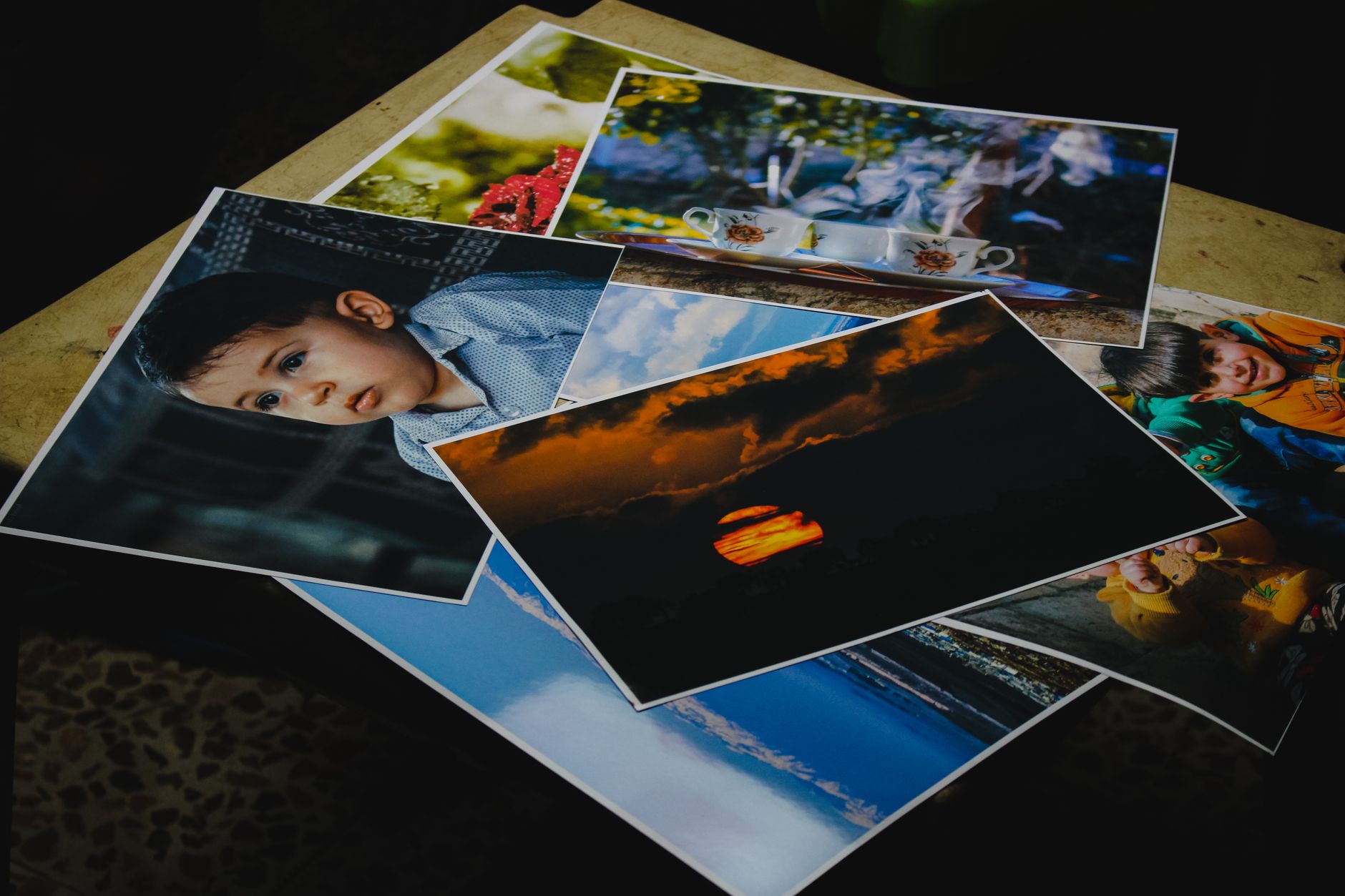
Printing photographs onto promotional products might sound like a niche request, but it’s one of the most powerful ways to create deeply personalised corporate gifts, event merchandise, and branded keepsakes that people actually hold onto. Whether you’re a marketing agency in Sydney looking to deliver something truly memorable for a client campaign, a reseller sourcing customised gifts for a corporate end-of-year function, or a business wanting to celebrate team milestones with photo-driven merchandise, understanding how printing photographs works in the promotional products space will help you deliver exceptional results every time.
The challenge, of course, is that photo printing in this industry is very different from having prints made at your local pharmacy. The product type, decoration method, artwork resolution, and supplier capabilities all interact in complex ways — and getting any one of them wrong can result in blurry, washed-out, or off-colour results. This guide walks you through everything you need to know.
Why Printing Photographs on Promotional Products Is Worth Getting Right
A branded pen or tote bag with a logo is effective, but there’s something uniquely compelling about a product that carries a photograph. It communicates emotional investment. It signals that the business — or the agency behind it — has gone the extra mile. That matters enormously in corporate gifting, where recipients can often tell the difference between a thoughtful gift and a last-minute afterthought.
Photo-printed products work particularly well in the following scenarios:
- Real estate agencies creating settlement gifts that feature a photo of the property (a canvas print, ceramic mug, or framed product with the home on it)
- Corporate events and conferences where candid event photography is printed onto merchandise distributed to attendees
- Sporting clubs and associations celebrating grand finals or milestone seasons with team photos on merchandise
- Schools and universities creating year-end memorabilia with class photos or campus imagery
- Healthcare organisations and charities using photo-driven storytelling on printed merchandise for fundraising campaigns
For resellers and marketing agencies, the ability to offer photo-printed promotional products is a genuine point of differentiation. Clients who’ve never considered it before are often immediately enthusiastic once they see what’s possible.
Understanding Decoration Methods for Printing Photographs
Not every decoration method is suited to reproducing photographs. Some techniques — like embroidery — are entirely unsuitable for photo replication. Others, like pad printing, are limited to spot colours and can’t handle photographic gradients. Knowing which methods can actually deliver full-colour, photographic results is the first step.
Full-Colour Digital Printing
Digital printing is the most widely used method for printing photographs onto flat, hard-surface products. It works similarly to a high-quality inkjet or UV printer and can reproduce complex gradients, skin tones, and fine detail with impressive accuracy. This method is ideal for products like ceramic mugs, phone cases, notebooks, metal water bottles, and rigid items with printable flat surfaces.
For waterproof phone cases and similar tech accessories, digital UV printing allows vibrant, full-colour photo application with a durable finish that holds up well to everyday use.
Dye Sublimation
Sublimation is arguably the best method for printing photographs onto soft goods and polyester-coated hard goods. The process involves printing the image onto transfer paper using sublimation inks, then applying heat and pressure to bond the ink molecules directly into the substrate. The result is a full-bleed, photographic-quality print that doesn’t crack, peel, or fade.
Sublimation is the method of choice for custom sport clothing and sports apparel, as well as promotional drinkware like travel ceramic mugs when they’re coated with a sublimation-receptive surface. It’s also excellent for fabric-covered products, branded tote bags made from polyester, and promotional bags.
One important caveat: sublimation only works on white or very light-coloured substrates, and only on polyester or poly-coated materials. On cotton garments or dark fabrics, the results will be poor or impossible.
Direct-to-Garment (DTG) Printing
For cotton apparel specifically, DTG printing is the best way to achieve photographic results. The process prints directly onto the fabric using inkjet technology, making it suitable for detailed images and photographs on t-shirts and hoodies. DTG works best on 100% cotton in white or light colours, though modern pretreatment processes have made printing on dark garments more achievable.
DTG is worth considering when clients want a photographic image printed on a cotton t-shirt — for example, a charity organisation producing fundraising shirts with a striking photographic image, or a school wanting a heritage photo printed on a garment.
Heat Transfer Printing
Heat transfer involves printing an image onto a special transfer film, then applying it to the product using heat and pressure. This method is flexible across a range of materials and can handle photographic content reasonably well. It’s commonly used for garments and some drinkware. The trade-off is that heat transfer prints can have a slightly plastic feel on fabric and may not be as durable as sublimation over time.
For more on how these methods compare for different applications, our guide to foil stamping for promotional products provides helpful context on premium decoration techniques more broadly.
Choosing the Right Products for Photo Printing
Not all promotional products are created equal when it comes to accepting photographic images. Here’s a quick breakdown of product categories that work particularly well.
Hard-Surface Products
Ceramic mugs, enamel mugs, metal water bottles with coated surfaces, phone cases, and similar hard goods are excellent candidates for photo printing. A branded travel ceramic mug with a personalised photo is one of the most popular corporate gift options because it’s practical, daily-use, and genuinely personal.
Photo-printed promotional sippy cups in Melbourne are a great example of how photo printing can extend into family-oriented gifting contexts too — for early childhood centres, family events, or family-focused corporate gifts.
Bags and Soft Goods
Sublimation-ready tote bags and polyester bags can carry full photographic prints beautifully. If you’re sourcing branded tote bags or shopping reusable bags for an event or campaign, asking your supplier specifically about sublimation-compatible options opens up far more design potential. Similarly, a work cooler bag or a roller bag with photographic branding can be a standout conference gift.
Stationery and Office Products
Notebooks and journals with full-colour covers can carry photographic imagery using digital printing techniques. These work particularly well for real estate agencies — our guide to promotional recipe cards for real estate settlement gifts explores how personalised printed gifts are transforming settlement packages, and a photo-printed notebook or journal fits neatly into that same philosophy.
Seasonal and Novelty Items
Products like Santa’s hat with printed designs, Valentine’s Day branded heart-shaped stress balls, and similar seasonal items can sometimes incorporate photographic elements — though the complexity varies by product. Always check with your supplier about the print area, resolution requirements, and method used.
Artwork and Resolution Requirements
This is where many photo printing projects come unstuck. Photographic images need to be supplied at sufficient resolution for the intended print size — as a general rule, 300 DPI (dots per inch) at the final print dimensions is the standard. An image that looks great on a phone screen might be completely unusable at print scale.
Key artwork tips for printing photographs on promotional products:
- Always request the original or highest-resolution version of the image — screen grabs and compressed JPEGs from social media won’t cut it
- For garment printing, RGB colour profiles are typically fine; for hard goods, ask your supplier whether they need CMYK conversion
- Understand the print area of each product before sizing your image — a coffee mug has a far smaller print area than a tote bag
- If providing a photo of a person, ensure you have appropriate consent and model release approvals, especially for promotional or commercial use
Some suppliers across Brisbane, Melbourne, and Sydney who specialise in photographic merchandise will offer a digital proof showing how your image will look on the specific product before production begins. Always request this.
Budgeting for Photo-Printed Promotional Products
Photo printing generally costs more than single-colour logo printing, and MOQs (minimum order quantities) vary significantly by product and method. Here’s a rough framework:
- Sublimation on drinkware: MOQs can be as low as 24–50 units; setup fees are typically lower than screen printing
- DTG on apparel: Often available from single units, but per-unit cost is higher; better economics at 50+ units
- Digital UV printing on hard goods: MOQs typically 25–100 units depending on the product
- Full heat transfer on bags: Varies widely; expect MOQs of 50–100 for custom full-colour transfers
For agencies and resellers sourcing across multiple states — from promotional products in Newcastle to wholesale promotional products in Sydney — working with suppliers who have photo printing capabilities in-house (rather than outsourcing it) will generally result in better quality control and faster turnaround times.
Turnaround times for photo-printed products typically range from 7 to 15 business days once artwork is approved. Rush production is possible with some suppliers but usually comes at a premium.
Pairing Photo Products With Complementary Promotional Items
Photo-printed hero products often work best as part of a curated gift set. A photo mug might be paired with recyclable pens, a quality notebook, or a promotional smart home device for real estate gifts to create a complete, premium package. For wellness-focused campaigns, a photo-printed water bottle alongside promotional sunscreen for corporate wellness programs creates a cohesive branded kit. For tech-savvy audiences, pairing photo merchandise with promotional USB drives in Brisbane or recycled ocean plastic branded sunglasses can round out a distinctive, values-driven package.
The key is ensuring that the photographic product serves as the emotional anchor of the gift — the piece that connects personally — while the accompanying items reinforce the brand message.
Conclusion: Key Takeaways for Printing Photographs on Promotional Products
Printing photographs on promotional products is a high-impact strategy that delivers genuine emotional resonance — but success depends on choosing the right method, the right product, and working with suppliers who have genuine photographic print capabilities. Here are the essential points to take away:
- Match the decoration method to the product: Sublimation for soft goods and coated drinkware, digital UV for hard surfaces, DTG for cotton apparel — each method has its strengths
- Artwork resolution is non-negotiable: Always source the highest-resolution image available and confirm DPI requirements with your supplier before proceeding
- Photo printing works best as a premium offering: Position photo-printed products as hero gifts or centrepiece items in a curated gift set for maximum impact
- Request proofs before production: Even experienced designers can be surprised by how an image translates to a physical product — always see a digital or physical proof first
- Consider the full project scope: MOQs, turnaround times, and per-unit costs vary significantly; build in adequate lead time and budget buffer when briefing clients or planning campaigns
When executed well, printing photographs on promotional products creates merchandise that recipients keep, display, and talk about — which is ultimately the highest standard any branded product can aspire to.