
Pad Printing Ink Selection Guide for Curved Surfaces: What You Need to Know
Master pad printing ink selection for curved surfaces. A practical guide for Australian resellers and businesses sourcing custom branded merchandise.

Written by
Mia Chen
Branding & Customisation
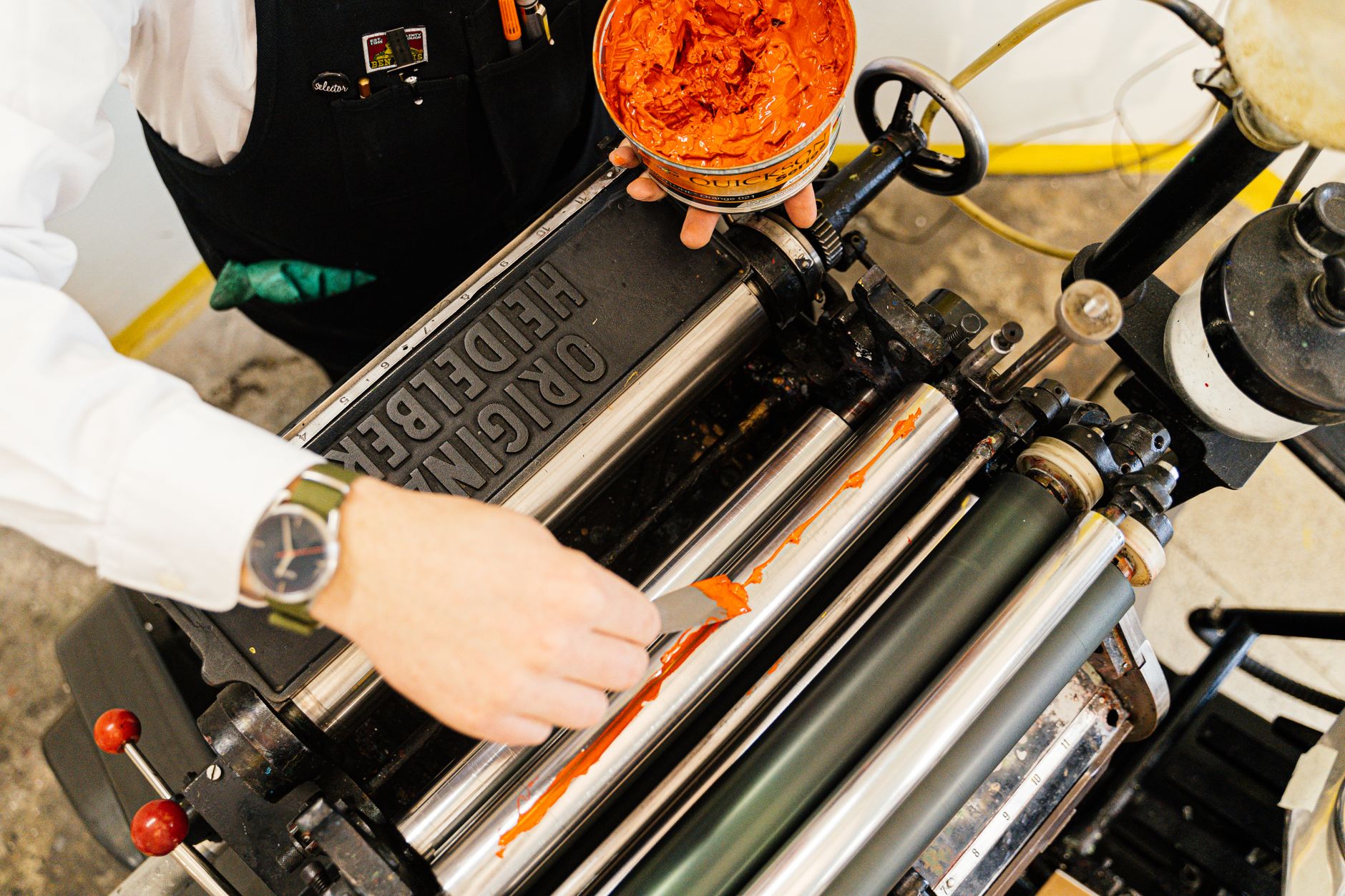
Getting a clean, vibrant print on a curved surface is one of the more technically demanding challenges in the promotional products industry. Whether you’re decorating branded pens, custom drink bottles, golf balls, or lip balm tubes, the ink you choose for pad printing can make or break the final result. For Australian resellers, marketing agencies, and businesses sourcing branded merchandise at scale, understanding the nuances of pad printing ink selection for curved surfaces is essential — not just to get a great-looking product, but to avoid costly reprints, adhesion failures, and unhappy clients. This guide breaks down everything you need to know, from ink chemistry to substrate compatibility, in plain language that anyone managing a merch project can use.
Why Curved Surfaces Make Pad Printing More Complicated
Pad printing is the go-to decoration method for small, irregularly shaped, or three-dimensional items. The process uses a silicone pad that picks up ink from an etched plate and transfers it onto the substrate. It’s this transfer step — where a flexible pad presses against a curved, cylindrical, or contoured surface — that introduces real complexity.
On flat surfaces, ink spread and adhesion are relatively predictable. On curves, the pad deforms as it makes contact, which means the ink film must stretch and conform without cracking, smearing, or lifting at the edges. Add to that the wide variety of plastic types, metals, rubbers, and coated surfaces common in promotional products, and it becomes clear why selecting the right ink system is a specialist decision.
For example, a Sydney marketing agency ordering 2,000 branded lip balm tubes in a custom PMS colour needs to understand that the ink used on a soft polyethylene tube behaves very differently from ink applied to a hard ABS plastic pen barrel. Choosing the wrong formulation leads to poor adhesion, ink cracking during flexing, or colour shift after curing — all issues that reflect badly on the brand and the supplier.
The Main Ink Types Used in Pad Printing
Understanding the core ink categories helps resellers and businesses ask better questions when briefing their suppliers.
One-Component Inks
One-component (1K) inks are the simplest formulation — they’re ready to use straight from the container with just a small amount of thinner to adjust viscosity. These inks are air-dried or UV-cured and are suitable for many rigid plastic substrates like polystyrene, ABS, and polypropylene.
For curved surfaces, 1K inks work well when the substrate is hard and dimensionally stable. A classic example is a branded ballpoint pen barrel — rigid, cylindrical, and widely decorated using 1K inks. However, 1K inks tend to lack the flexibility needed for softer materials or items that will be handled and flexed repeatedly.
Two-Component Inks
Two-component (2K) inks include a hardener that is mixed into the base ink before use. This chemical crosslinking process dramatically improves adhesion, durability, chemical resistance, and flexibility — all critical factors when decorating curved surfaces that will see regular use.
For promotional drinkware like branded stainless steel water bottles or powder-coated aluminium flasks, 2K inks are the professional standard. They bond more effectively to difficult surfaces and withstand repeated washing, handling, and exposure to moisture. If you’re sourcing decorated drinkware for a Melbourne corporate client who wants their logo to last, 2K inks are typically what reputable suppliers will use.
The trade-off? Two-component inks have a pot life — once the hardener is mixed in, the ink must be used within a set window (often two to eight hours depending on the formulation). This adds complexity to production scheduling, particularly for large or multi-colour runs.
UV-Curable Inks
UV inks are cured instantly using ultraviolet light rather than air drying or chemical crosslinking. They offer excellent print quality, fast production speeds, and very consistent results — making them popular for high-volume runs.
On curved surfaces, UV inks require careful handling. If the pad doesn’t conform perfectly to the surface contour, uncured ink at the edges can cause adhesion issues. UV inks are best suited to rigid substrates with moderate curvature. For promotional products like branded USB drives, hard-shell phone stands, or hockey pucks, UV pad printing can deliver very sharp results.
Solvent-Based and Special-Purpose Inks
For specific substrate challenges — think silicone wristbands, TPE grip surfaces, or rubberised coatings — speciality solvent-based inks or even two-part silicone inks may be required. These are less common but important to know about when managing unusual or high-end branded merchandise projects.
Key Factors in Selecting the Right Ink for Curved Surfaces
Beyond the ink type itself, several variables interact to determine which formulation will perform best on a given curved surface.
Substrate Material and Surface Energy
Every material has a surface energy value that determines how well ink will bond to it. High surface energy materials like metal, glass, and some hard plastics accept ink readily. Low surface energy plastics — particularly polyethylene (PE), polypropylene (PP), and silicone — are notoriously difficult to print on without surface treatment.
For promotional product resellers, this matters because many popular items fall into the low surface energy category: reusable water bottles, soft-touch rubber keyrings, and flexible travel accessories. Experienced suppliers will either use adhesion promoters (primers) before printing, subject the surface to corona or flame treatment to raise surface energy, or specify inks with additives designed for low surface energy substrates.
If you’re briefing a supplier on a bulk order of custom PP water bottles for a Brisbane council sustainability initiative, asking whether they use treated substrates or adhesion promoters is a smart quality question.
The Degree of Curvature
Mild curvature — like a slightly rounded pen barrel — is well within the normal operating range of most pad printing setups. Steep or compound curves, however, place much greater demands on the silicone pad and the ink film.
Inks for highly curved surfaces need greater elasticity and elongation before breaking. Two-component inks generally perform better here. Your supplier should also be selecting a softer durometer silicone pad to allow better surface contact across steep curves.
For context, decorating a standard promotional ballpoint pen (mild curve) is very different from printing on a branded golf ball (severe spherical curve) or a promotional lip balm tube with a tight radius. Each requires careful matching of ink system and pad hardness.
Colour Matching and Opacity
PMS colour matching on curved surfaces adds another layer of complexity. Inks behave slightly differently during transfer, which can cause colour shift — especially on darker substrates. If a Canberra-based corporate client has a very specific brand colour, their supplier needs to account for how the ink will look once transferred and cured on the actual substrate colour.
Opacity is also relevant. Printing a light colour (white, yellow, or pastel tones) on a dark curved substrate often requires an opaque or even a double-hit of ink. This needs to be factored into artwork setup and pricing from the outset. For more detail on artwork preparation, our guide to setting up artwork files for promotional products covers the key requirements.
Durability and End-Use Requirements
How the finished product will be used should directly influence ink selection. A branded pen handed out at a trade show in Adelaide will see very different wear than a custom steel drink bottle used daily by a Perth tradie.
For items requiring chemical resistance (drinkware that will be washed with detergent, or products exposed to sunlight), two-component or UV inks with appropriate formulations should be specified. Ask your supplier about wash resistance ratings and rub-test standards — reputable suppliers will have testing data available.
Practical Advice for Resellers and Marketing Agencies
If you’re managing branded merchandise projects on behalf of clients, here’s how to put this knowledge to work.
Always Request a Pre-Production Sample
This is non-negotiable for curved surface pad printing, especially for first-time orders or new substrate types. A pre-production sample lets you assess ink adhesion, colour accuracy, and print quality before committing to a full run. Our guide to ordering product samples from promotional suppliers explains the sample process in detail.
Ask Your Supplier About Their Ink Systems
Don’t assume your supplier is using the optimal ink system. A confident, reputable pad printer will be able to tell you what ink type they’re using, why it’s appropriate for the substrate, and what durability testing they perform. If they can’t answer these questions, that’s a red flag.
Budget Appropriately for the Right Process
Two-component inks cost more to use than basic 1K systems due to the hardener, mixing time, and pot life constraints. UV curing requires capital equipment. If a quote comes in very low for pad printing on challenging curved surfaces, it’s worth asking how they’re achieving that price point — corner-cutting on ink selection is a common source of quality failures. See our complete guide to understanding promotional product pricing for more context on where costs come from.
Understand Lead Times for Complex Print Jobs
Multi-colour pad printing on curved surfaces, or printing on pre-treated substrates, takes longer than standard decoration. For time-sensitive projects — event merchandise for a Gold Coast conference, or promotional giveaways ahead of a product launch — factor in realistic turnaround times and build in buffer. Our article on promotional product turnaround times in Australia is a useful reference for planning.
Match the Ink to the Brand’s Long-Term Needs
If your client is a school, sporting club, or government department ordering merchandise they expect to use and distribute over many months, specify inks that will hold up. A Hobart school ordering branded drink bottles for students needs those bottles to survive dishwashers, backpacks, and playground drops. The right ink specification protects both the brand and your reputation as a reseller.
For additional context on decoration method selection, our comparison of common promotional product decoration techniques and our pad printing vs screen printing guide are worth reviewing before briefing suppliers.
You might also find value in our articles on choosing the right branded drinkware for corporate gifts, how to brief a promotional product supplier, buying branded pens in bulk in Australia, and what to check before approving a print proof — all relevant when managing decorated merchandise projects involving curved surfaces.
Conclusion
Getting the ink selection right for pad printing on curved surfaces isn’t a minor detail — it’s a fundamental quality factor that determines whether your branded merchandise will impress clients or disappoint them. For Australian resellers and marketing agencies managing merch projects in 2026, this knowledge is a genuine competitive advantage.
Here are the key takeaways from this guide:
- Substrate material determines ink compatibility — always identify the exact plastic or material type before specifying an ink system, and check whether surface treatment is needed for low surface energy substrates
- Two-component inks are the professional standard for curved, flexible, or high-durability applications like branded drinkware and soft-touch accessories
- The degree of curvature matters — steeper curves require more elastic inks and softer silicone pads; don’t assume a single ink system works across all product types
- Always request a pre-production sample before approving a full run, especially when printing on a new substrate or producing a first-time order
- Ask your supplier the right questions — reputable pad printers will know their ink systems, durability ratings, and why their process is appropriate for your specific product