
Printed Water Bottles: The Complete Buying Guide for Australian Businesses
Everything Australian businesses and resellers need to know about ordering printed water bottles — from materials to decoration methods and MOQs.

Written by
Luca Osei
Drinkware
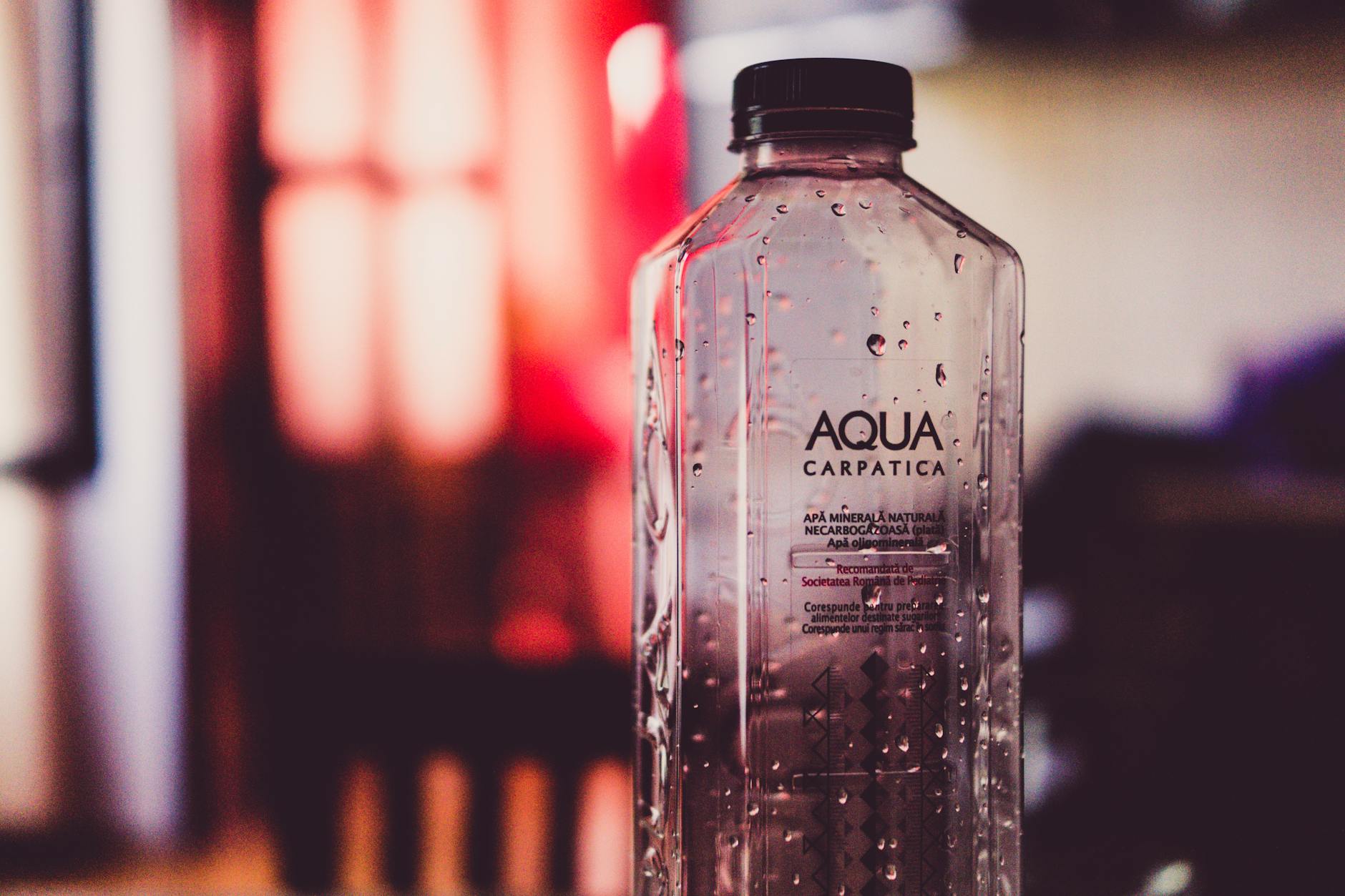
Printed water bottles have become one of the most consistently popular promotional products in Australia — and for good reason. Whether you’re a marketing agency putting together a conference pack for a Sydney tech firm, a reseller sourcing bulk drinkware for a Melbourne sporting association, or a business looking to give clients something genuinely useful, a well-branded water bottle delivers lasting impressions long after the initial handout. Unlike branded pens that get lost or flyers that end up in the bin, a quality printed water bottle travels with its owner — to the gym, the office, the school pickup run, and beyond. This guide covers everything you need to know about ordering printed water bottles in Australia, from choosing the right material to understanding decoration methods, MOQs, lead times, and budget considerations.
Why Printed Water Bottles Are Such a Strong Promotional Choice
The appeal of branded drinkware goes well beyond aesthetics. Consider the practical reality: most Australians carry a reusable water bottle daily, particularly as sustainability awareness continues to grow in cities like Brisbane, Adelaide, and Canberra. Every time someone sips from a bottle bearing your client’s logo, that brand gets a moment of visibility. Multiply that across a team of 200 employees or 500 event attendees, and you start to appreciate the genuine reach a printed water bottle campaign can achieve.
From a reseller perspective, water bottles also represent an excellent margin opportunity. They’re available across a wide range of price points, from budget-friendly BPA-free plastic bottles suited to school events and community giveaways, all the way through to premium insulated stainless steel options that sit comfortably in a corporate gift hamper. That versatility makes them a go-to recommendation for almost any brief.
For marketing agencies managing end-client campaigns, branded water bottles also tick the ROI box. Research consistently shows promotional drinkware among the highest-recalled product categories — people keep items they find useful, and hydration is about as universal as it gets.
Understanding the Different Types of Printed Water Bottles
Before placing an order, it’s worth getting clear on the material and style options available. The right choice will depend on the end-use context, the decoration method required, and the budget available.
Plastic Bottles (BPA-Free)
These are typically the most cost-effective option and are well-suited to high-volume, lower-budget campaigns. A Perth primary school running a sports carnival, for instance, might order 500 BPA-free bottles in house colours with a basic one-colour print — easily achievable at a price point that works within most school budgets. Standard MOQs for plastic bottles often start around 50–100 units, though larger runs of 500+ bring the per-unit cost down considerably.
Stainless Steel Insulated Bottles
Double-walled vacuum-insulated stainless steel bottles have surged in popularity and now represent a significant share of premium corporate gifting. They keep drinks cold for up to 24 hours and hot for up to 12, making them genuinely useful for recipients. A Melbourne financial services firm distributing end-of-year client gifts, for example, might opt for laser-engraved stainless steel bottles — the result is a sleek, premium finish that reflects well on the brand.
Aluminium Bottles
Lightweight and recyclable, aluminium bottles sit between plastic and stainless steel in terms of cost and perceived value. They’re a popular choice for eco-conscious campaigns and work well with full-colour digital printing, which allows for vivid, wrap-around graphics.
Glass Bottles with Silicone Sleeves
Less common but increasingly sought-after for boutique brands and wellness-focused businesses, glass bottles offer a premium, clean aesthetic. They require careful packaging for shipping and typically command a higher price point, but they’re a strong choice for health and wellness brands, yoga studios, or high-end corporate gifting.
If you’re building out a broader drinkware offering for your clients, our guide to promotional drinkware options for Australian businesses covers the full landscape in more detail.
Decoration Methods for Printed Water Bottles
Choosing the right decoration method is just as important as choosing the right bottle. Each technique has its strengths depending on the material, the artwork, and the desired finish.
Screen Printing
Screen printing is the workhorse of the promotional products industry and remains a popular choice for plastic and aluminium bottles. It’s cost-effective at volume, delivers vibrant colours, and is well-suited to simple logo artwork with defined colour areas. Each colour in the design requires a separate screen, so artwork with two or three spot colours works best. PMS colour matching is typically available for brand-critical applications.
Pad Printing
Pad printing is ideal for applying a logo or simple design to a curved or irregular surface — which makes it a natural fit for rounded water bottle bodies. It’s particularly common for plastic bottles and offers a clean, precise result for smaller print areas.
Laser Engraving
For stainless steel and aluminium bottles, laser engraving produces a premium, permanent finish with an elegant metallic look. The laser removes the surface coating to reveal the metal beneath, creating a sophisticated contrast. There’s no ink involved, which means it’s both durable and dishwasher-safe. This method is a favourite for corporate gifts and executive-level merchandise.
Digital Printing and Sublimation
For full-colour, photographic, or complex artwork requirements, digital printing or sublimation are the go-to options. Sublimation works by bonding dye into the substrate at a molecular level, producing vibrant, wrap-around prints with exceptional durability. It’s particularly effective on specially coated bottles and tumblers. If your client has a colourful brand identity or wants a visually striking bottle, sublimation is hard to beat.
Our overview of common promotional product decoration methods is a useful resource if you’re navigating these options for the first time or helping a client understand what’s possible.
MOQs, Lead Times, and Budgeting
One of the most common questions from resellers and marketing agencies relates to minimum order quantities and how long orders take. While these details vary by supplier and product, there are some useful general guidelines to work with.
For printed water bottles, MOQs typically range from as low as 25 units for premium stainless steel options to 50–100 units for standard plastic or aluminium bottles. Sublimation and digital printing sometimes carry slightly higher minimums due to setup requirements.
Lead times in Australia generally run between 7 and 15 business days for standard orders once artwork is approved — though rush services are available through many suppliers for an additional fee. If you’re managing a tight deadline for a Gold Coast conference or a Darwin government event, always confirm lead times upfront and build in buffer time for proof approvals.
Budgeting should account for:
- Unit cost (varies widely by material, quantity, and decoration method)
- Setup or screen fees (typically $30–$80 per colour for screen printing, often waived on repeat orders)
- Freight costs (particularly relevant for bulky or heavy stainless steel orders being shipped interstate)
- Sample costs (most suppliers offer pre-production samples; factor this into project timelines)
For resellers managing multiple concurrent orders, our guide to managing promotional product orders at scale offers practical workflow advice.
Artwork and Approval Processes
Getting the artwork right before production begins is critical. Most suppliers require vector files (AI, EPS, or PDF) for screen printing, pad printing, and laser engraving. For digital printing and sublimation, high-resolution raster files may also be acceptable.
Before any order goes to production, you’ll receive a digital proof — typically a mockup showing your artwork positioned on the bottle. Review this carefully. Check logo placement, orientation, spelling, and colour references (particularly if PMS matching has been specified). Approve only when you’re completely satisfied, as changes after production begins can be costly and delay delivery.
If your client’s branding involves gradients, photography, or complex illustrations, flag this early with your supplier so they can advise on the most suitable decoration method and confirm file requirements. For a deeper dive into preparing artwork for promotional products, our artwork requirements guide for promotional printing walks through the essentials.
Choosing the Right Bottle for Your Client’s Campaign
Matching the right product to the campaign context will always yield better results than choosing on price alone. Here are some practical scenarios to illustrate this:
- Corporate onboarding kits – A Sydney HR tech company equipping new starters? Laser-engraved stainless steel bottles in a neutral colourway, paired with a branded notebook, position the company as premium and thoughtful.
- Trade show and expo giveaways – A Brisbane manufacturer exhibiting at an industry expo needs something cost-effective at volume. BPA-free plastic bottles with a two-colour screen print tick every box.
- School and community sports clubs – A Hobart junior football club fundraising with branded bottles? Mid-range aluminium or BPA-free plastic in club colours, ordered in runs of 100–200.
- Wellness and fitness businesses – A Perth yoga studio retailing branded bottles to members? Sublimation-printed stainless bottles with a full-colour brand wrap create a product worth paying retail price for.
Understanding the end-use context allows resellers and agencies to make confident recommendations that clients will love. Our post on selecting promotional products for different industries explores this further.
You might also find our guide to eco-friendly promotional products helpful if sustainability is a key brief requirement — many printed water bottles now use recycled or sustainably sourced materials and are well worth highlighting to environmentally conscious clients.
Key Takeaways
Printed water bottles remain one of the smartest investments in the promotional products space — and with the right knowledge, they’re straightforward to source, specify, and deliver effectively. Here’s what to keep in mind:
- Material drives everything — plastic, stainless steel, aluminium, and glass each suit different use cases, price points, and decoration methods. Match the material to the campaign context first.
- Decoration method matters for longevity and quality — laser engraving suits premium and corporate applications; screen printing and pad printing work well for volume runs; sublimation is ideal for full-colour, complex designs.
- MOQs are manageable — most printed water bottle orders can start from 25–100 units, making them accessible even for smaller campaigns or test runs.
- Lead times require planning — standard turnaround is 7–15 business days from artwork approval; always build in buffer time for proofing and shipping.
- Brief the decoration method alongside the product — understanding what your client’s artwork looks like before recommending a decoration method will save time, money, and headaches.
Whether you’re a seasoned reseller, a marketing agency managing a national campaign, or a business exploring branded merchandise for the first time, printed water bottles are a category worth knowing well. The combination of everyday utility, broad audience appeal, and strong visual branding potential makes them a product that consistently delivers — long after the event, campaign, or gift-giving moment has passed.