
How to Source Personalised Wine Gift Boxes for Winery Tasting Room Sales
Discover how wineries and resellers can source stunning personalised wine gift boxes to boost tasting room sales and brand loyalty.

Written by
Luca Osei
Drinkware
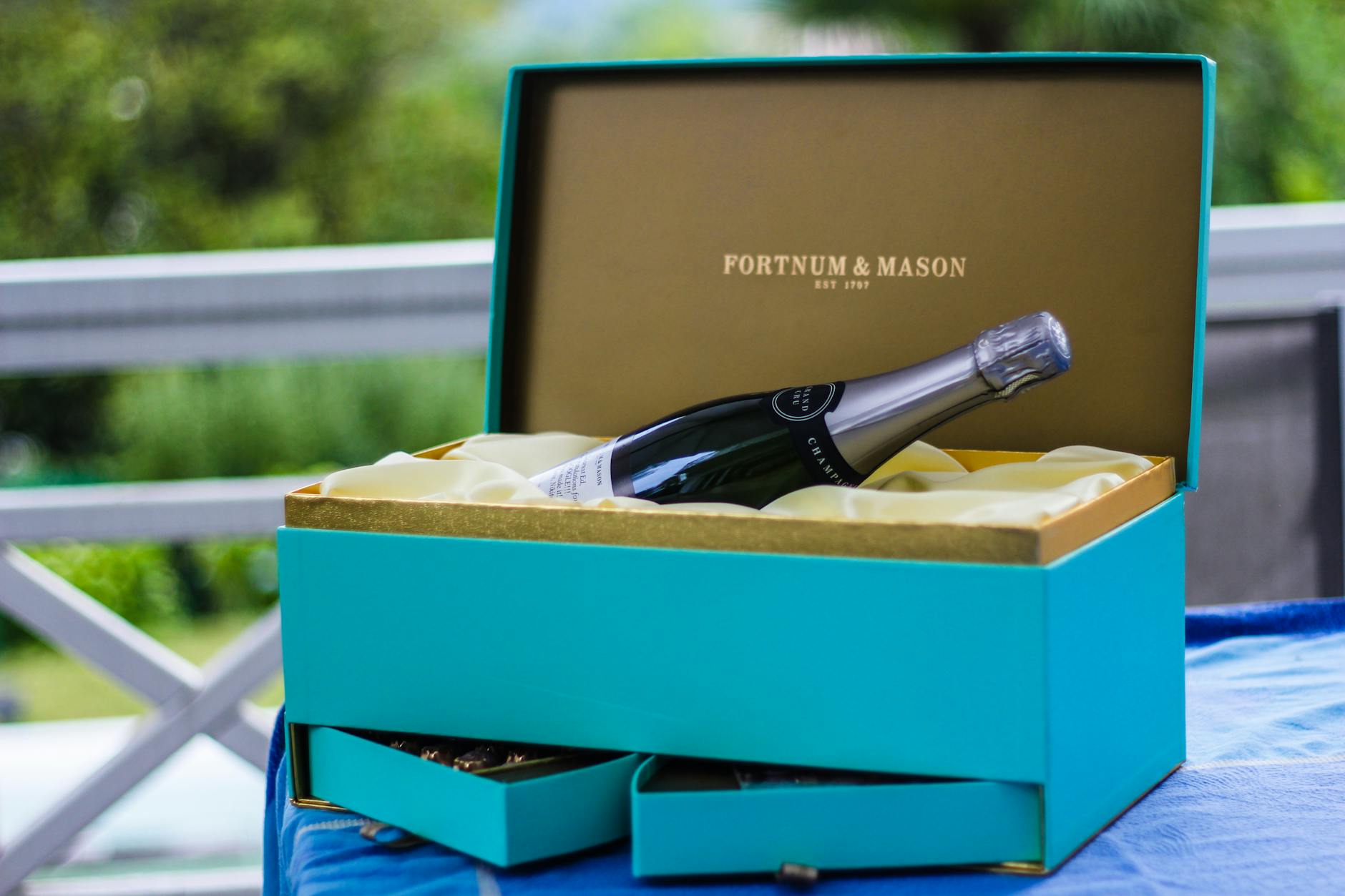
If you’ve ever watched a customer pick up a beautifully presented wine box in a tasting room, linger over it, and then add it to their basket without hesitation, you already understand the power of packaging. Personalised wine gift boxes for winery tasting room sales are one of the most effective ways to elevate the customer experience, increase average transaction values, and turn a bottle of wine into a memorable, giftable moment. Whether you’re a winery owner in the Barossa Valley, a marketing agency managing regional beverage brands, or a promotional products reseller serving the hospitality sector, understanding how to source and supply these products effectively can make a significant difference to your bottom line.
Why Personalised Wine Gift Boxes Are a Tasting Room Essential
Tasting rooms are experiential retail environments. Customers who walk through the door aren’t just buying wine — they’re buying a story, a connection to the land and the winemaker, and often a gift for someone special. That emotional context makes personalised packaging incredibly compelling.
A generic cardboard carrier does the job of transporting wine. A personalised wine gift box, on the other hand, does so much more. It reinforces the winery’s brand, communicates quality, and signals to the buyer that this is something worth giving. In competitive wine regions like the Hunter Valley, Margaret River, Yarra Valley, and McLaren Vale, where cellar doors often sit within a short drive of each other, presentation can genuinely be the deciding factor.
For resellers and marketing agencies, this is worth noting. When a winery invests in branded gift packaging, it signals a commitment to their brand experience — and that opens the door to a much broader conversation about branded merchandise strategy. Understanding promotional product effectiveness in B2B vs B2C marketing can help frame how personalised packaging fits into a winery’s overall marketing investment.
The Emotional Value of Unboxing in Hospitality
The “unboxing moment” isn’t just a concept for tech products and subscription boxes. It matters enormously in gifting contexts. When someone receives a personalised wine gift box engraved with a winery’s logo, complete with branded tissue paper and a custom thank-you card, the perceived value of the product inside increases substantially — even if the wine itself hasn’t changed.
This is particularly relevant for tasting room operators who sell experience-based packages: anniversary bundles, cellar door exclusives, or limited vintage releases. The gift box becomes part of the product, not just its container.
Understanding Your Options: Box Styles, Materials, and Decoration
Before approaching a supplier, it helps to understand the product landscape for personalised wine gift boxes. There’s a wide variety of styles, and the right choice depends on your winery’s brand positioning, target price point, and the number of bottles being presented.
Single, Double, and Triple Bottle Configurations
The most common wine gift box formats are:
- Single bottle boxes: Ideal for tasting room impulse purchases, corporate gifting, and wine club subscriptions. Easier to price accessibly.
- Double bottle configurations: A popular format for couples and celebration gifts, often pairing a red and white or sparkling and still.
- Triple or six-bottle formats: Better suited to premium gifting, corporate orders, or wine education sets.
For tasting room retail, single and double configurations tend to move fastest. However, having a premium triple-bottle option available creates a natural upsell opportunity for customers who arrive with gifting in mind.
Materials to Consider
Wine gift boxes are typically available in:
- Rigid cardboard or kraft board: Affordable, lightweight, and suitable for screen printing, digital printing, or foil stamping. A solid choice for volume orders.
- Timber (pine, MDF, or bamboo): Premium positioning, excellent for laser engraving. These feel luxurious and align well with artisan or boutique winery branding.
- Fabric-wrapped boxes: A stylish mid-range option with a soft-touch finish that photographs beautifully on social media.
- Recycled and eco-friendly materials: Increasingly relevant for wineries with a sustainability narrative. These can pair well with other eco-conscious merchandise.
The decoration method should suit the material. Laser engraving is ideal for timber and some rigid surfaces — the result is elegant and long-lasting. For cardboard and kraft options, digital printing allows for full-colour branding and more complex artwork. If you’re new to how different surfaces affect decoration choices, our pad printing ink selection guide for curved surfaces offers useful technical context that translates broadly to promotional packaging decisions.
Personalisation Options Beyond the Box
The best personalised wine gift box setups don’t stop at the outer packaging. Resellers sourcing for wineries should consider what goes inside:
- Branded corkscrews or wine stoppers: Functional, branded, and keepable
- Custom printed tissue paper with winery logo or motifs
- Branded cards or recipe pairings — there’s an interesting parallel here with how real estate agents use promotional recipe cards for settlement gifts to add warmth to a transaction
- Branded tasting notes or winemaker letters
- Custom printed mugs or stemless wine glasses — if you’re exploring drinkware add-ons, digital printing on custom mugs in Australia is a helpful starting point
Sourcing Personalised Wine Gift Boxes: What Resellers Need to Know
If you’re a promotional products reseller or agency sourcing on behalf of a winery client, there are several practical considerations to navigate before placing an order.
Minimum Order Quantities and Lead Times
Wine gift boxes typically have MOQs ranging from 50 to 500 units depending on the supplier, the material, and the level of customisation involved. Timber boxes with laser engraving often sit at lower MOQs (50–100 units) because the setup cost is absorbed by the unit price. Full-colour digitally printed cardboard runs may require 250 or more units to be cost-effective.
Turnaround times vary significantly. Standard lead times for personalised wine gift boxes sourced domestically or from established import suppliers tend to sit between 10 and 21 business days. For wineries in Adelaide, Perth, or regional Victoria planning for a peak season like Christmas or Valentine’s Day, ordering 6–8 weeks ahead is strongly recommended.
Artwork and Proof Requirements
Most suppliers will require print-ready artwork in vector format (AI or EPS) for branding elements. If the winery only has lower-resolution logo files, a supplier’s art team may charge a setup or redraw fee. Resellers should factor this into their quoting.
Always request a physical or digital proof before approving full production runs — particularly for timber engraving, where depth and contrast can vary from the artwork mockup. Colour matching to a winery’s brand palette (PMS colours) is straightforward with digital printing but may not be achievable with laser engraving, which produces a natural timber tone rather than a coloured result.
Budgeting Across Price Points
Personalised wine gift boxes can range from approximately $4–$8 per unit for basic printed cardboard at volume, up to $30–$60+ per unit for premium timber boxes with laser engraving and full interior lining. Resellers should position products across at least two price tiers to give winery clients flexibility.
For wineries with a tighter budget, pairing a simpler box with high-quality branded accessories (such as a branded tote bag to carry the purchase home — see our overview of branded tote bags for inspiration) can achieve a premium feel without blowing the budget on the box itself.
If you’re also sourcing other branded items for the same winery client — perhaps staff apparel or event merchandise — it’s worth exploring what’s available through wholesale promotional products in Sydney and similar supplier directories to consolidate orders and reduce freight costs.
Seasonal and Event-Driven Applications
Personalised wine gift boxes aren’t just a static tasting room product. Smart winery operators and their marketing partners think about how these products can serve multiple seasonal and event-driven purposes throughout the year.
Cellar door events: Harvest festivals, winemaker dinners, and vineyard tours are all opportunities to offer limited-edition gift box configurations. Even a small run of 100 units can generate significant revenue and social media content.
Corporate gifting season: The lead-up to Christmas is the single biggest opportunity for wine gift box sales in Australia. Corporates across Sydney, Melbourne, and Brisbane regularly source personalised wine gift boxes as end-of-year client gifts. Resellers who can offer winery-branded boxes alongside corporate co-branding options (e.g. a box featuring both the winery logo and the client’s company logo) are offering significant added value.
Valentine’s Day and Mother’s Day: These seasonal peaks reward advance planning. A double-bottle box with custom ribbon and a foil-stamped card can retail at a meaningful premium over standard shelf pricing.
Wine club and subscription fulfilment: Wineries running club memberships can use personalised boxes to make quarterly or seasonal shipments feel like a gift, not just a delivery.
This kind of seasonal thinking mirrors approaches used across other gifting categories. For example, the way organisations plan ahead for Santa’s hat branded merchandise or pink ribbon branded products for breast cancer awareness campaigns illustrates how planning around predictable seasonal windows drives better outcomes.
Working with the Right Supplier
Not every promotional products supplier has experience in food and beverage packaging. When evaluating suppliers for personalised wine gift boxes, resellers should ask:
- Do they have experience with winery or hospitality clients?
- Can they supply samples before commitment to a full run?
- What is their quality control process for imported stock?
- Can they handle direct-to-customer fulfilment, or does all stock ship to the winery?
- Do they offer storage or print-on-demand services for smaller ongoing orders?
Suppliers who understand the nuances of the hospitality and retail environment — not just generic promotional products — will add more value to your client relationships. The same principle applies whether you’re sourcing event merchandise for fun runs in Melbourne or custom tea towels for housewarming gift promotions — specialist knowledge matters.
Conclusion: Key Takeaways for Sourcing Personalised Wine Gift Boxes for Winery Tasting Room Sales
Personalised wine gift boxes for winery tasting room sales represent a genuine commercial opportunity — for wineries looking to elevate their retail offering, and for resellers and agencies looking to deliver real value to hospitality clients. Done well, they transform a bottle of wine into an experience worth buying and a brand worth remembering.
Here are the key points to take with you:
- Choose materials that match brand positioning: Timber for artisan and premium wineries, printed kraft or cardboard for volume-priced gifting, eco-friendly options for sustainability-focused labels.
- Plan ahead for seasonal peaks: Christmas, Valentine’s Day, and harvest events reward early ordering — aim for 6–8 weeks’ lead time minimum.
- Don’t stop at the box: Branded accessories, tissue paper, tasting notes, and branded drinkware all contribute to a cohesive, premium gifting experience.
- Understand MOQs and artwork requirements upfront: This prevents scope creep and budget surprises for both resellers and their winery clients.
- Think beyond the tasting room: Corporate gifting, wine club fulfilment, and event packaging are all natural extensions of a personalised wine gift box strategy that can significantly grow the opportunity for resellers.