
Leather Covered Notebooks as Promotional Products: The Complete Sourcing Guide for Australian Businesses
Discover how to source premium leather notebooks for branding in Australia — decoration methods, MOQs, budgets, and supplier tips for resellers.

Written by
Freya Dutta
Stationery & Office
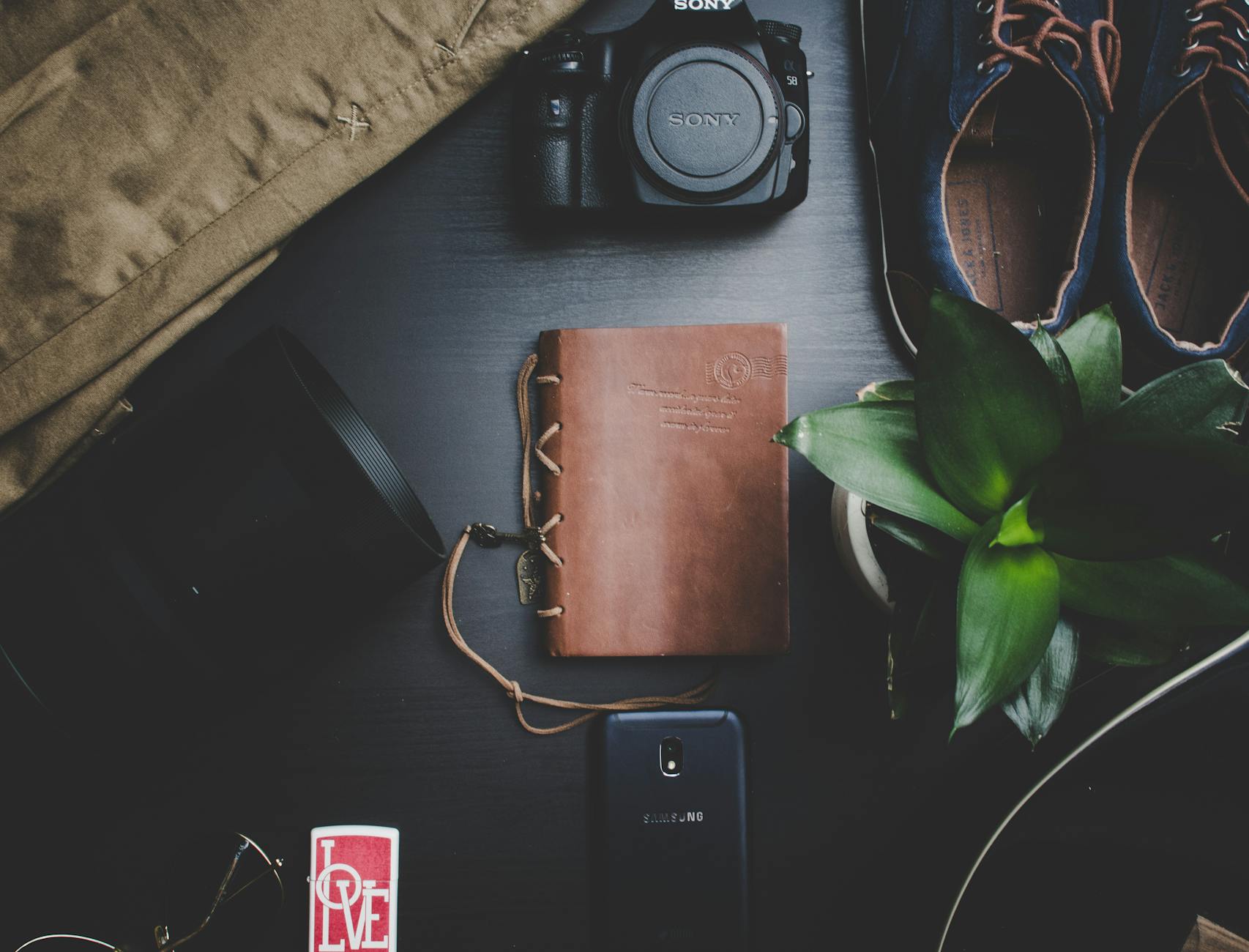
Choosing the right notebook for a promotional campaign might seem straightforward, but when you introduce leather into the equation, the decision becomes both more exciting and more nuanced. Leather covered notebooks sit in a premium tier of branded stationery — they communicate quality, longevity, and thoughtful gifting in a way that a standard spiral-bound pad simply cannot match. For businesses sourcing branded merchandise, resellers building out their product catalogue, or marketing agencies developing high-value client gift programs, understanding how to navigate the leather for notebook category is essential. This guide walks through everything you need to know: materials, decoration methods, minimum order quantities, budget considerations, and how to source reliably in the Australian market.
Why Leather Notebooks Make Such Strong Promotional Products
There’s a reason premium clients, law firms, and financial services companies consistently gravitate toward leather notebooks when they’re selecting corporate gifts. The material itself carries an inherent perception of value that few other promotional products can match. When someone receives a leather-bound notebook with a brand stamped or embossed on the cover, they immediately associate that brand with quality.
But the appeal goes well beyond aesthetics. Leather notebooks are genuinely functional, durable, and used daily. Unlike a branded pen that gets lost in a drawer or a promotional item that sits forgotten on a shelf, a high-quality leather notebook becomes a constant companion — on desks, in bags, and at meetings. That extended exposure is enormously valuable from a branding perspective.
Research consistently shows that useful, premium promotional products generate far higher brand recall than novelty or single-use items. If you’re curious about the broader data on this, our article on promotional product effectiveness in B2B vs B2C marketing explores how product type and perceived value influence ROI across different campaign types.
For resellers and agencies, leather notebooks also command better margins. When you’re sourcing branded merchandise for a Sydney financial services firm or a Melbourne law practice, a premium leather product justifies a higher unit price and a more substantial setup fee — without the pushback you might encounter on lower-value items.
Understanding the Different Types of Leather for Notebook Covers
Not all leather is created equal, and this matters enormously when you’re briefing a supplier or presenting options to a client. Understanding the key material categories will help you make smarter sourcing decisions and set accurate client expectations.
Genuine Leather
Genuine leather is the most commonly misunderstood term in the category. Counterintuitively, it’s actually one of the lower-quality grades — made from the remaining layers of hide after the top grain has been split away. It’s more affordable, which makes it attractive for bulk orders, but it’s less durable and will show wear over time more than higher-grade options.
For campaigns with a tighter budget or high-volume requirements — say, a Brisbane conference needing 500+ notebooks for delegate packs — genuine leather can be a solid choice, particularly when the goal is an impressive first impression at an accessible price point.
Full-Grain and Top-Grain Leather
These are the premium options. Full-grain leather uses the entire thickness of the hide and develops a distinctive patina over time, while top-grain leather has the surface sanded to remove imperfections, resulting in a more uniform appearance. Both are significantly more durable and tactile than genuine leather.
For high-value client gifts — executive onboarding packs, partner-level corporate gifting, or end-of-year gifts from a Perth accounting firm — full-grain or top-grain leather notebooks are the appropriate choice. They come at a higher price point (expect to pay considerably more per unit), but the quality is unmistakable.
PU Leather and Vegan Alternatives
Polyurethane (PU) leather has become increasingly popular in the promotional products space, particularly as organisations prioritise sustainability and animal welfare. PU leather looks and feels convincingly like genuine leather, is easier to maintain, and is typically more affordable. It’s also consistent in colour and texture, which is a practical advantage when you need 300 notebooks to look identical.
Given the growing demand for ethical sourcing, vegan leather alternatives are now a significant part of the conversation. If your client is in the healthcare sector, education, or the not-for-profit space, PU or other synthetic leather options often align better with their values. For more on how quality and certification intersect with sourcing decisions, take a look at our piece on promotional product certification and quality standards updates.
Decoration Methods for Leather Notebooks
The way you apply a brand to a leather notebook is just as important as the material itself. Each method produces a different result, and understanding the options will help you match the decoration to the brief.
Debossing
Debossing is the gold standard for leather notebooks. A metal die is pressed into the leather surface under heat and pressure, creating a permanent, tactile impression of the logo or text. It looks sophisticated, ages beautifully with the leather, and feels premium to the touch. There’s no ink, no risk of fading or peeling, and the result is understated elegance.
Setup costs for debossing involve creating the custom die, which typically adds to the initial order cost — something to factor in when quoting clients. However, once the die exists, repeat orders are more cost-effective.
Foil Stamping
Foil stamping combines the debossing technique with a metallic or coloured foil layer, producing a shiny, eye-catching finish. Gold and silver foil are the most popular choices for corporate applications. If your client wants their logo to stand out rather than blend subtly into the leather, foil stamping delivers impact.
We’ve written a detailed breakdown of foil stamping for promotional products that’s worth reviewing before you brief a supplier on this technique — it covers artwork requirements, foil types, and what to expect from the process.
Laser Engraving
Laser engraving is particularly well-suited to PU leather and some genuine leather products. It burns away a fine layer of material to reveal a contrasting colour beneath, creating a clean, precise logo impression. It’s a fast, accurate process that works especially well for small, detailed artwork. For resellers handling orders for tech companies or agencies with intricate brand marks, laser engraving is often the most reliable choice.
Screen Printing and Digital Printing
While less common on leather, screen printing and digital printing are occasionally used on PU leather products for full-colour logos or complex artwork that debossing and foil stamping can’t accommodate. Results vary depending on the material, so it’s worth requesting a sample before committing to a large run.
Minimum Order Quantities, Pricing, and Turnaround Times
When sourcing leather notebooks in Australia, MOQs typically start at 25–50 units for local decorators working with imported blanks, though some offshore-production suppliers will quote from as low as 100 units for fully customised products.
Pricing depends heavily on the leather grade, notebook specifications (page count, ruling style, elastic closure, ribbon bookmark, pen loop), and decoration method. Broadly speaking, resellers should expect:
- PU leather notebooks (debossed): $12–$25 per unit at quantities of 50–200
- Genuine leather notebooks (debossed or foil stamped): $25–$50+ per unit
- Full-grain leather notebooks: $60–$120+ per unit for premium custom runs
Turnaround times in Australia typically run 10–15 business days for locally-stocked products with decoration, and 4–8 weeks for fully customised offshore production. If you’re sourcing for an event with a fixed date — say, a Canberra government department conference or an Adelaide trade show — always build in buffer time and confirm lead times in writing.
For agencies managing multiple client accounts, it’s worth developing a reliable preferred supplier relationship rather than going to market fresh for every order. If you’re still building those supplier connections, our wholesale promotional products in Sydney resource is a useful starting point.
Matching Leather Notebooks to the Right Campaigns and Audiences
Not every campaign calls for leather. Knowing when it’s the right fit — and when a more accessible product serves better — is part of what separates experienced promotional product buyers from novices.
Corporate onboarding and executive gifting: Leather notebooks are almost always appropriate here. A Sydney-based financial services company onboarding new executives, or a Melbourne consulting firm gifting clients at the end of a major project, will find leather notebooks hit the right note.
Conference and event delegate packs: This depends on the event tier and budget. A national industry conference targeting senior professionals can justify leather notebooks. A large student-facing education expo in Brisbane might be better served by a quality recycled or kraft paper notebook, especially if budget is spread across a high volume of delegates.
Real estate settlement gifts: Leather notebooks pair well with premium settlement gift packs. If you’re sourcing for real estate agencies, it’s worth exploring our guide to promotional recipe cards for real estate settlement gifts in Australia as a companion piece — combining a leather notebook with a recipe card set makes for a thoughtful, cohesive gift.
Charity and awareness campaigns: For organisations running cause-based campaigns — like Pink Ribbon branded products for breast cancer awareness — a leather notebook can be an effective premium fundraising item or donor recognition gift, particularly when it’s positioned as a reward for a higher donation tier.
For resellers based in regional centres, the principles remain the same — our article on promotional products in Newcastle touches on how regional businesses approach premium product sourcing, which may be relevant if you’re operating outside major metro markets.
Artwork and Preparation Tips for Leather Notebook Orders
Getting the artwork right before briefing a supplier saves time, money, and frustration. Here are the key points to keep in mind:
- Supply vector files (AI or EPS): Raster files (JPEGs, PNGs) won’t produce clean debossed or engraved results. Always provide vector artwork.
- Simplify complex logos: Fine lines and intricate details can be lost in debossing. Work with your supplier’s art team to adapt the logo if necessary.
- Specify PMS colours: If using foil stamping, reference the exact Pantone colour. Foil matching is an art in itself, so clarity upfront prevents surprises.
- Approve a physical sample: For orders above 100 units, always request a pre-production sample or physical proof. This is non-negotiable with leather products, where the tactile result is as important as the visual.
For broader context on how branding decisions intersect with supplier choices, the promotional products experts resource is a handy reference.
Key Takeaways
Leather notebooks represent one of the most powerful choices in the promotional stationery category — but sourcing them well requires knowledge and planning. Here’s what to carry with you from this guide:
- Match the leather grade to the campaign brief. PU leather for accessible, ethical options; genuine leather for mid-range campaigns; full-grain for premium executive gifting.
- Debossing is the preferred decoration method for most leather applications — it’s durable, elegant, and deeply appropriate for the material.
- Plan lead times carefully. Custom leather notebooks require longer production windows, particularly for offshore runs. Build buffer into every timeline.
- Artwork quality is critical. Vector files, PMS references, and pre-production samples are non-negotiable for leather products.
- Leather notebooks work best when the audience values them. Know your recipient — a premium product only delivers ROI when it’s handed to someone who appreciates it.
Whether you’re a reseller expanding your stationery catalogue, a marketing agency sourcing gifts for a high-value client, or a business investing in your own branded merchandise, understanding the nuances of leather for notebook products will help you make smarter, more confident sourcing decisions in the Australian market.