
Embroidered Shirts for Business: The Complete Australian Buyer's Guide
Discover how to source, order and brand embroidered shirts in Australia. Expert tips for businesses, resellers and marketing agencies.

Written by
Kai Williams
Custom Apparel
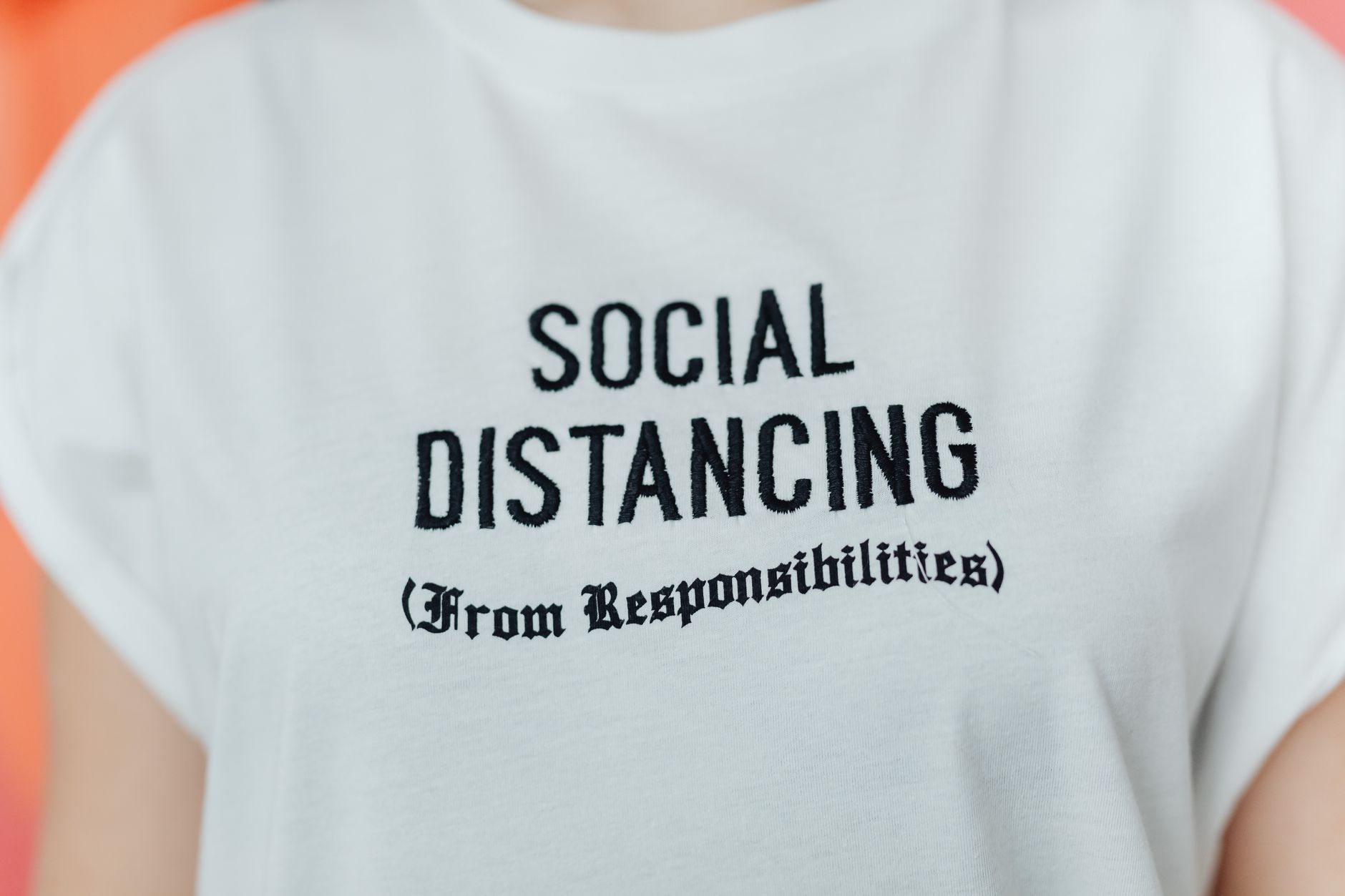
When it comes to branded workwear and promotional clothing, few decoration methods carry the same prestige as embroidery. Embroidered shirts project professionalism, durability, and attention to detail — qualities that resonate with clients, customers, and staff alike. Whether you’re a marketing agency sourcing corporate uniforms for a Sydney financial services firm, a reseller building out your apparel catalogue, or a business owner wanting to outfit your team in something that genuinely looks the part, understanding how embroidered shirts work — and how to order them well — is essential knowledge. This guide covers everything you need to know, from decoration specifics and garment selection through to pricing, turnaround times, and common pitfalls to avoid.
Why Embroidered Shirts Remain a Top Choice for Australian Businesses
Embroidery has been a staple of the branded apparel industry for decades, and its popularity hasn’t waned. In fact, as businesses become more discerning about how their brand is represented, the demand for high-quality decoration methods continues to grow. So what makes embroidery such a compelling choice?
The answer is largely about perception. A screen-printed logo on a polo shirt looks perfectly fine on a trade show stand or a school sports day, but when a real estate agent in Melbourne walks into a listing or a Brisbane construction company manager greets a client on-site, that raised, textured logo on their shirt communicates something different — it says the brand has invested in quality.
Embroidery also holds up exceptionally well over time. Unlike screen printing or heat transfer, which can crack or peel after repeated washing, embroidered logos maintain their integrity through hundreds of wash cycles. For uniforms that are worn daily — think hospitality staff in Adelaide, security personnel in Perth, or trades professionals across regional Queensland — this longevity has real commercial value.
When Embroidery Is the Right Choice
Embroidery works best on:
- Polo shirts and business shirts — the structured fabric supports embroidery well, and logos sit cleanly on the chest
- Caps and hats — particularly on the front panel where the fabric is reinforced
- Fleece and knitwear — embroidery adds a premium feel to outerwear and corporate jumpers
- Workwear and hi-vis — garments that need to withstand industrial washing and hard physical use
It’s less suited to highly detailed artwork with fine lines or complex gradients. For that kind of design, you’d want to explore alternatives — our guide to screen printing vs embroidery for branded apparel covers the tradeoffs in detail and is worth reading before you finalise your decoration method.
Understanding the Embroidery Process for Shirts
Before you place an order for embroidered shirts, it helps to understand what actually happens during production. This knowledge will help you communicate more effectively with suppliers and avoid costly surprises.
Digitising Your Logo
The first step in embroidery production is digitising. This is the process of converting your logo or artwork into a file format (typically .DST or .EMB) that an embroidery machine can read. Every stitch — its direction, density, type, and sequence — is programmed during this stage.
Digitising is not automatic. A skilled digitiser interprets your artwork and makes decisions that affect how the finished product looks on fabric. A logo with thin fonts, intricate detail, or very small elements may need to be simplified or resized for embroidery. This is worth discussing with your supplier before finalising your artwork.
Most Australian suppliers charge a one-off digitising fee, typically ranging from around $30 to $80, though this varies depending on the complexity of the design and the stitch count. Once your design is digitised, that file can be used for all future orders — so it’s a one-time investment that pays for itself quickly across repeat runs.
Stitch Count and Pricing
Embroidery pricing is largely determined by stitch count — the number of individual stitches required to complete the design. A simple, small chest logo might come in at 5,000 to 8,000 stitches. A large, complex design across a back panel could exceed 20,000 stitches. The higher the stitch count, the longer the machine run time, and the higher the per-unit cost.
When budgeting for embroidered shirts, make sure you’re comparing quotes on a like-for-like basis. Two suppliers quoting different prices might be quoting on different stitch counts or stitch densities — always ask for clarity. Our breakdown of embroidery costs and pricing structures in Australia offers a practical framework for evaluating supplier quotes side by side.
Placement Options
Common placement positions for embroidery on shirts include:
- Left chest — the most popular position for corporate logos; typically 80mm–100mm wide
- Right chest — sometimes used for name badges or secondary branding
- Centre chest — works well for larger logos or team crests
- Sleeve — effective for secondary branding or department identifiers
- Back yoke or full back — used for larger decorative or branding applications, though stitch counts and costs increase significantly
Choosing the Right Shirt for Embroidery
The garment itself matters as much as the decoration. Not every shirt is equally suited to embroidery, and selecting the right fabric and style will affect both the final look and how the product performs over time.
Fabric Considerations
Cotton and cotton-blend fabrics are generally the most embroidery-friendly. They have a consistent texture that holds stitches well and don’t distort under the needle. 100% cotton polos and business shirts are a reliable choice for most corporate and hospitality applications.
Polyester and performance fabrics can be embroidered, but require more care. The fabric can pucker around the stitching if the wrong stabiliser is used during production. If you’re ordering embroidered shirts for sporting clubs in Canberra or outdoor staff in Darwin, make sure your supplier has experience working with moisture-wicking and stretch fabrics.
Knit fabrics like fleece and jersey stretch under the needle and need adequate backing (a stabiliser placed behind the fabric during stitching) to prevent distortion. This adds a small amount to production time but is standard practice for experienced decorators.
Garment Styles That Work Best
For corporate and business use, polo shirts are by far the most popular choice. They strike the right balance between professional and comfortable, and the structured knit fabric holds embroidery exceptionally well. Our guide to branded polo shirts for businesses and resellers goes into detail on fabric weights, collar styles, and supplier considerations.
Business shirts — both long and short sleeve — are another strong option, particularly for finance, real estate, and hospitality sectors where a polished appearance matters. Embroidery on the left chest of a business shirt reads as premium and authoritative.
Hi-vis workwear is increasingly being ordered with embroidered logos rather than printed ones, particularly in the construction, mining, and utilities sectors where garment durability is non-negotiable. If you’re sourcing for this market, see our overview of branded hi-vis workwear and uniform options for compliance and decoration guidance.
Minimum Order Quantities, Lead Times, and Practical Ordering Tips
Minimum Order Quantities (MOQs)
One of the most common questions from businesses and resellers ordering embroidered shirts for the first time is: how many do I need to order? MOQs for embroidered shirts in Australia typically start at around 6–12 pieces for straightforward orders, though some suppliers set minimums at 24 or more for certain garment styles or colour combinations.
If you’re a reseller managing orders for multiple clients, it’s worth understanding how different suppliers structure their pricing tiers — often 12, 25, 50, and 100+ units are the key breakpoints where per-unit costs drop meaningfully.
For smaller organisations — a Gold Coast café needing six embroidered shirts for their front-of-house team, for example — it’s worth asking about mixed-garment minimums, where you can combine different shirt sizes or styles within the one order to reach the MOQ.
Lead Times
Standard production turnaround for embroidered shirts in Australia typically sits at 10–15 business days after artwork approval. Rush orders are sometimes available but may carry an additional fee, and not all suppliers offer them. If you’re managing a project with a fixed launch date — say, a Melbourne corporate rebranding going live in March — build in at least two to three weeks of buffer beyond your artwork finalisation date.
Our guide to turnaround times for custom apparel orders in Australia is a useful resource for setting realistic client expectations and planning project timelines.
Artwork Preparation Tips
- Submit your logo as a vector file (AI, EPS, or PDF with outlined text) wherever possible
- Avoid raster images like JPEGs — they don’t scale cleanly and make digitising harder
- Specify your brand’s PMS colours so the thread colours can be matched as closely as possible
- Agree on a physical sample or a digital mockup before approving a bulk run — catching an issue at this stage saves significant cost later
For a deeper look at getting your files ready, our guide to preparing artwork for promotional products walks through format requirements for every major decoration method.
Pricing and Budgeting for Embroidered Shirts
Pricing for embroidered shirts varies considerably depending on the garment quality, stitch count, order volume, and supplier. As a general guide for the Australian market in 2026:
- Entry-level polos with simple chest embroidery: $25–$40 per unit at 24+ pieces
- Mid-range corporate business shirts with embroidery: $45–$70 per unit at 24+ pieces
- Premium garments or high-stitch-count designs: $70–$100+ per unit
These figures are indicative. Resellers working with wholesale suppliers will generally access lower base garment costs and higher margins. It’s worth building a consistent supplier relationship rather than shopping every order on price alone — embroidery quality varies significantly, and a cheaper quote can result in puckered stitching, inconsistent colours, or garments that don’t align with your client’s brand standards.
For resellers building their pricing models, our guide to wholesale promotional product sourcing in Australia covers margin structures, supplier tiers, and how to negotiate better rates at volume.
Conclusion: Key Takeaways for Ordering Embroidered Shirts in Australia
Embroidered shirts are one of the most effective and enduring forms of branded apparel available to Australian businesses. When ordered thoughtfully and produced to a high standard, they elevate how a brand is perceived and deliver genuine long-term value. Here are the key points to keep in mind:
- Digitising is a one-time investment — pay for quality digitising upfront, and it will serve you across every future order
- Garment and fabric selection matters — choose fabrics that support embroidery well, particularly for performance or stretch applications
- Stitch count drives cost — keep designs clean and appropriately sized to manage per-unit pricing without sacrificing impact
- Plan for realistic lead times — allow 10–15 business days minimum after artwork approval, and build in buffer for complex or large orders
- Work with suppliers you trust — embroidery quality is visible and tactile; a strong supplier relationship protects your brand and your clients’ expectations
Whether you’re outfitting a team of five or managing a national uniform rollout across multiple states, embroidered shirts remain one of the smartest branded apparel investments you can make.