
Digital Printing on Custom Mugs in Australia: The Complete Buyer's Guide
Discover how digital printing on custom mugs works in Australia, plus tips on quality, MOQs, costs, and finding the right supplier.

Written by
Luca Osei
Drinkware
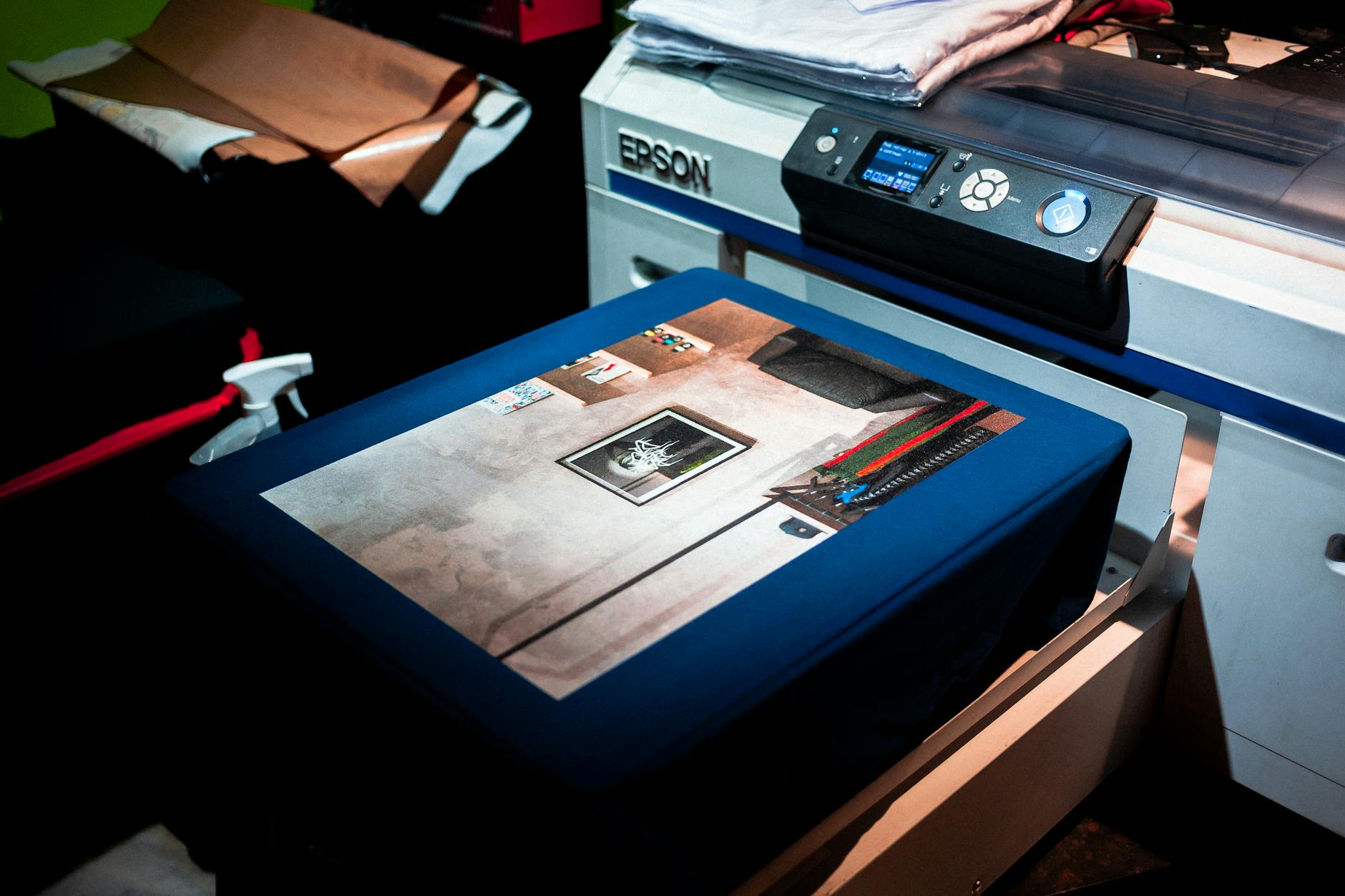
Getting branded mugs right can make or break a promotional campaign. Whether you’re a marketing agency sourcing coffee mugs for a client’s product launch, a corporate reseller looking to expand your drinkware catalogue, or a business putting together a staff onboarding pack, the decoration method you choose will determine the quality, durability, and overall impression of the finished product. Digital printing on custom mugs in Australia has grown enormously in popularity over the past several years — and for good reason. It offers vibrant full-colour results, relatively accessible minimum order quantities, and the flexibility to produce highly detailed artwork that traditional methods simply can’t match. This guide breaks down everything you need to know before placing your next mug order.
What Is Digital Printing on Custom Mugs?
Digital printing, in the context of custom mugs and drinkware, typically refers to one of two processes: dye sublimation or direct digital printing. Both methods use digital artwork files to apply decoration, but they work quite differently.
Dye Sublimation
Sublimation is the most common form of digital printing used on ceramic mugs in Australia. The process involves printing artwork onto a special transfer paper using sublimation inks, then applying heat and pressure to bond the ink into the surface of the mug. The result is a print that becomes part of the mug itself — it won’t peel, flake, or fade with regular washing the way some other decoration methods can.
Sublimation works best on white or very light-coloured mugs because the process relies on the base colour of the substrate. For a full wrap-around print — where the design extends around the entire mug surface — sublimation is the go-to method, particularly for mugs with a polymer coating or fully white ceramic body.
Direct Digital Printing
Direct digital printing applies ink directly onto the mug surface using specialised UV or inkjet printing equipment. This method can accommodate darker or coloured substrates better than sublimation can, and it’s particularly useful for short-run jobs or personalised items where each mug carries different content (names, numbers, or unique codes).
The trade-off? Direct printing may require a protective coating to maintain durability, and it can be slightly less vibrant than sublimation when both options are available for the same product.
Why Digital Printing Is a Smart Choice for Custom Mugs in Australia
For resellers and marketing agencies managing multiple client campaigns, digital printing offers a compelling combination of flexibility and quality. Here’s why it’s become the preferred method for so many Australian organisations sourcing branded drinkware.
Full-Colour Artwork With No Setup Charges Per Colour
Traditional decoration methods like pad printing or screen printing charge setup fees for each colour in your design. Digital printing eliminates this — your artwork is sent as a digital file and printed exactly as it appears, whether it contains two colours or twenty. For clients who want photographic imagery, gradients, or detailed logos, this is a significant advantage. You can read more about how setup fees vary across methods in our pad printing ink selection guide for curved surfaces, which gives useful context for comparing decoration options on round drinkware.
Lower Minimum Order Quantities
Many Australian suppliers offering digital printing on mugs will accept orders from as low as 24–50 units, compared to the larger minimums often required for screen printing or embroidery. For marketing agencies managing smaller client budgets, or for businesses running a targeted VIP gifting campaign rather than a mass giveaway, this flexibility is genuinely useful.
Fast Turnaround Times
Standard turnaround for digitally printed mugs from most Australian suppliers sits between 5 and 15 business days, depending on quantity and complexity. Rush options (often 3–5 business days) are available from some suppliers, though these typically attract a premium. If you’re ordering alongside other event merchandise — such as branded tote bags or custom mints for trade show giveaways — check that all items can be coordinated through a single supplier to avoid logistics headaches.
Suitability for Personalisation
Personalised mugs — where each item carries a different name, message, or variable data — are increasingly popular for corporate gifting, employee recognition, and client retention campaigns. Digital printing is the only practical method for variable data at scale. A Sydney financial services firm producing 200 personalised mugs for senior client Christmas gifts, for example, would find digital printing far more cost-effective and efficient than any alternative.
Choosing the Right Mug for Digital Printing
Not every mug on the market is suitable for digital printing, and this is a detail that catches many buyers off guard. Here’s what to look for.
Ceramic vs. Stainless Steel vs. Enamel
Ceramic mugs are the most commonly used substrate for sublimation in Australia. Standard 11oz and 15oz white ceramic mugs are specifically manufactured to accept sublimation inks and are widely stocked by Australian promotional product suppliers. They’re affordable, universally recognisable, and produce consistently vibrant results.
Stainless steel mugs and tumblers can be digitally printed, but they require a specific polymer-coated finish to accept sublimation inks. Without this coating, the ink won’t bond correctly. Some stainless drinkware is better suited to laser engraving instead — worth considering if your client wants a premium, long-lasting finish.
Enamel mugs have a distinctive retro aesthetic and are popular with outdoor and lifestyle brands. They can be sublimated, though the textured surface can affect colour accuracy compared to smooth ceramics.
Mug Shape and Print Area
The shape of the mug affects how much usable print area is available. Straight-sided mugs allow for a full wrap-around print. Tapered or handled mugs may limit the usable area, so always request a template or proof showing the printable zone before finalising your artwork.
Artwork Requirements for Digital Mug Printing
Getting your artwork right from the start saves time, money, and frustration. Here’s what most Australian suppliers will require.
- File format: High-resolution PDF, PNG, or EPS files are standard. JPEG files are acceptable if they are 300dpi or higher at the intended print size.
- Colour mode: Artwork should be supplied in CMYK rather than RGB. Colours displayed on screens (RGB) often shift noticeably when converted to print, so it’s always worth checking colour values before submission.
- Bleed and safe zones: For full wrap designs, suppliers will typically request 3–5mm of bleed beyond the print area to prevent white edges.
- Proof approval: Reputable suppliers will send a digital proof (and sometimes a physical sample for large orders) before proceeding to production. Never approve a proof without reviewing it carefully against the original artwork.
Budgeting for Digital Printing on Custom Mugs
Pricing varies considerably depending on quantity, mug type, and supplier. As a general guide for 2026, Australian buyers should expect the following approximate ranges:
- Standard 11oz ceramic mug, single colour or full digital print, 50 units: $8–$14 per unit
- Standard 11oz ceramic mug, 100 units: $6–$10 per unit
- Standard 11oz ceramic mug, 250+ units: $4–$7 per unit
These figures are indicative and don’t include GST, freight, or setup fees (which vary). Resellers sourcing through wholesale channels — particularly those accessing wholesale promotional products in Sydney — will typically access better pricing tiers than retail buyers, so establishing a trade account with your preferred supplier is worth the effort if you’re placing regular orders.
For large-scale corporate campaigns or conference merchandise — say, a Melbourne tech company ordering 500 branded mugs for an annual summit alongside hackathon branded swag for tech event participants — bulk pricing can bring per-unit costs down significantly.
Common Use Cases for Digitally Printed Mugs in Australia
Understanding where branded mugs perform best helps you pitch the right solution to the right client.
Corporate gifting: Branded mugs are a perennial favourite in the corporate gifting space, particularly when combined with other premium items like notebooks or keep cups. A Canberra government department sourcing end-of-year staff gifts, for example, might order personalised mugs alongside branded perpetual trophies for annual award events as part of a coordinated recognition programme.
Real estate agencies: Settlement gifts are a meaningful touchpoint in the client relationship. A branded mug paired with a hamper or promotional recipe cards for real estate settlement gifts creates a memorable, practical gift that reinforces your brand in the client’s home every morning.
Schools and education: Primary and secondary schools across Queensland, Victoria, and South Australia frequently order mugs for fundraising, staff appreciation events, and community programmes. Digital printing allows schools to include detailed mascots, crests, or artwork that wouldn’t be feasible with pad printing.
Events and expos: Trade show visitors receive a lot of branded merchandise. A well-designed ceramic mug with striking full-colour artwork stands out from the sea of pens and stress balls. Combine mugs with custom mints for trade show giveaways for a cost-effective but memorable brand impression.
Seasonal campaigns: Christmas, EOFY, and seasonal campaigns are natural windows for mug orders. If your client is planning a festive gifting push — perhaps alongside items like a Santa’s hat for an event or promotion — mugs with seasonal artwork are a high-perceived-value item at a manageable price point.
Working With Australian Suppliers: What to Look For
Choosing the right supplier for digital printing on custom mugs in Australia comes down to more than just price. Here’s a checklist worth using when evaluating options:
- Do they offer digital proofs before production? This should be non-negotiable.
- What is their quality control process? Ask specifically about colour consistency across a print run.
- Are they able to ship Australia-wide? A supplier who can service Brisbane, Perth, Adelaide, and Darwin equally is valuable if you’re managing national campaigns.
- What is their policy on faulty or damaged goods? Reputable suppliers will have a clear replacement or credit policy.
- Do they offer samples of blank products? For large orders, always request a blank sample to assess mug quality before committing.
- Can they handle variable data printing? If personalisation is required, confirm this capability upfront.
For resellers and marketing agencies managing diverse client portfolios — from branded apparel like custom hoodies in Sydney through to drinkware, bags, and tech accessories — finding suppliers who can handle multiple product categories is far more efficient than managing separate vendor relationships for every product type.
Conclusion: Key Takeaways for Buying Digitally Printed Mugs in Australia
Digital printing on custom mugs in Australia offers an outstanding balance of quality, flexibility, and accessibility for businesses, resellers, and marketing agencies. Whether you’re sourcing a small personalised run for a corporate VIP programme or scaling up to thousands of units for a national product launch, understanding the process — and choosing the right supplier — makes all the difference.
Here are the key points to take away:
- Sublimation is the gold standard for full-colour, durable digital printing on white ceramic mugs — it produces vibrant, wash-resistant results that hold up over time.
- MOQs for digital mug printing are relatively low (often 24–50 units), making it a practical option for small runs and personalised campaigns alike.
- Artwork preparation matters enormously — supply files in CMYK at 300dpi minimum, and always review your digital proof carefully before approving production.
- Budget realistically — per-unit pricing drops significantly at 100+ units, so consolidating orders where possible improves cost efficiency for resellers.
- Evaluate suppliers on quality, not just price — a mug that fades after ten washes reflects poorly on your brand, regardless of what you paid for it.
With the right approach, digitally printed custom mugs can be one of the most effective and enduring branded merchandise investments your clients make in 2026.