
Custom USB Hubs for Tech Conference Giveaways: The Complete Sourcing Guide
Discover how to source custom USB hubs for tech conference giveaways in Australia — tips on specs, branding, MOQs, and supplier selection.

Written by
Noah Phan
Tech & Electronics
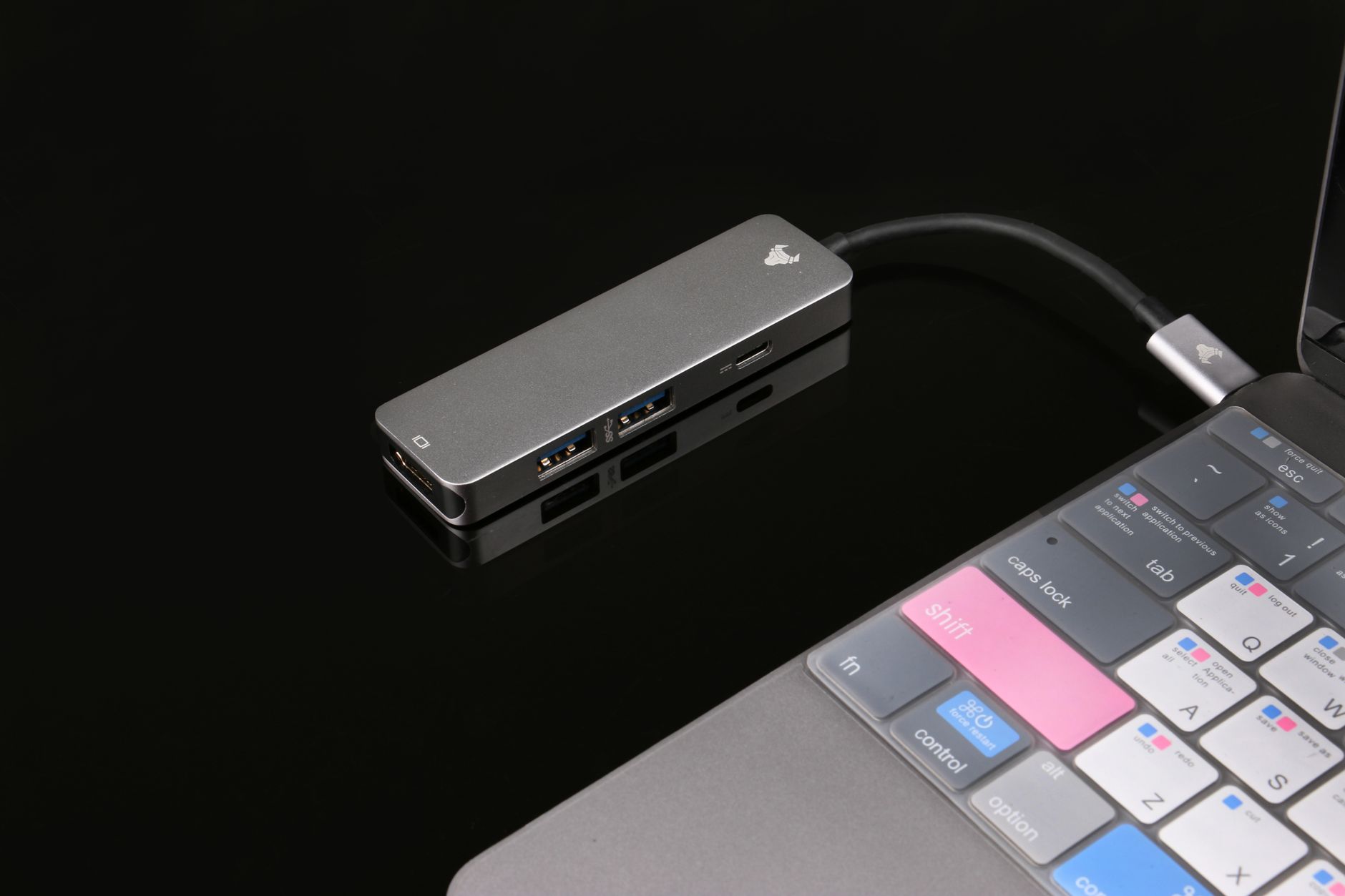
Every marketing manager who has ever sat through a post-conference debrief knows the question that inevitably comes up: “Did people actually keep the giveaways?” With custom USB hubs for tech conference giveaways, the answer is almost always yes. Unlike a branded stress ball that ends up in a desk drawer or a tote bag that gets donated to the school fete pile, a USB hub earns its place on a delegate’s desk. It gets plugged in, used daily, and — crucially — seen by everyone who walks past. For resellers, marketing agencies, and procurement teams sourcing tech merch in 2026, USB hubs represent one of the strongest value propositions in the promotional products space. This guide covers everything you need to know about sourcing, speccing, and branding them effectively for your next major tech event.
Why Custom USB Hubs Are the Smart Choice for Tech Conferences
There is a simple reason USB hubs resonate so well at tech conferences: they solve a genuine problem. Delegates arrive at venues in Sydney, Melbourne, Brisbane, and beyond carrying laptops, smartphones, tablets, and cameras — all of which need ports that most modern notebooks simply don’t have enough of. A branded USB hub doesn’t just sit in a conference bag; it fills an immediate, felt need.
From a marketing perspective, this matters enormously. Promotional products that serve a functional daily purpose deliver significantly more brand impressions over their lifespan than decorative items. A USB hub sitting on someone’s desk at a tech company in Pyrmont or Southbank is seen by that person and every colleague, client, or visitor who passes through. That kind of ongoing visibility is difficult to achieve with almost any other giveaway at a comparable price point.
For deeper context on how functional tech products compare to more traditional giveaway categories across different marketing contexts, it is worth reviewing our analysis of promotional product effectiveness in B2B versus B2C marketing. The findings reinforce what experienced procurement teams already know: B2B audiences — exactly the crowd you’ll find at a tech conference — respond best to useful, premium-feeling items.
Who Should Consider USB Hubs as Conference Swag?
USB hubs are particularly well-suited to:
- Technology companies running developer conferences, hackathons, or product launches
- Marketing agencies sourcing gifts on behalf of enterprise clients in the SaaS, fintech, or cloud sectors
- Corporate event teams managing sponsorship deliverables at industry expos
- Universities and TAFEs running innovation days or ICT faculty events
- Government departments hosting digital transformation summits
If you’re working on a tech-focused event or know someone who is, you’ll also want to cross-reference our guide on hackathon branded swag for tech event participants — many of the principles around audience expectations and product quality apply equally here.
Understanding the Product: Specs That Matter When Sourcing Custom USB Hubs
Not all USB hubs are created equal, and the specifications you choose will directly impact both the perceived value of the giveaway and the delegate’s actual experience using it. Here’s what to think through before placing your order.
Port Configuration
The most common configurations for promotional USB hubs are 4-port and 7-port models. For conference giveaways where price sensitivity is higher, 4-port hubs strike the right balance between functionality and unit cost. If you’re sourcing for a premium sponsor tier or VIP delegate package, a 7-port model with a combination of USB-A and USB-C ports positions the item as a genuinely premium gift.
USB-C compatibility is increasingly non-negotiable in 2026. With the vast majority of modern laptops — MacBooks, Surface devices, and high-end Windows machines — relying on USB-C ports, a hub that only offers USB-A connections is already feeling dated. Look for multi-format hubs that include at least one USB-C port in the array.
Data Transfer Speed
USB 3.0 (5Gbps) should be considered the minimum acceptable specification for a tech-savvy audience. Giving delegates a USB 2.0 hub at a technology conference risks the product being perceived as cheap — and by extension, the brand attached to it. USB 3.1 or USB 3.2 models are available at competitive pricing when ordered in bulk and communicate quality more effectively.
Form Factor
Hubs come in several physical formats:
- Desktop hubs with a flat base — better for branding surface area
- Compact travel hubs — slim and bus-powered, popular with frequent travellers
- Hub-and-cable combos — built-in cables remove the need for a separate connection
For branding purposes, desktop hubs with a flat top panel or side fascia give decorators the most usable surface area. Compact travel hubs often have curved or tapered surfaces, which raises specific decoration considerations — something our pad printing ink selection guide for curved surfaces covers in detail.
Decoration Methods for Branded USB Hubs
Getting the branding right is arguably more important than the product specification itself. A beautifully branded hub reinforces premium brand values; a smudged or misaligned print undermines the entire investment.
Pad Printing
Pad printing is the most widely used decoration method for USB hubs and similar hard plastic tech accessories. It handles curved and irregular surfaces well, delivers sharp logo reproduction, and is cost-effective at medium-to-high quantities. Two-colour pad printing is standard; full-colour is available but less common on this product category.
Laser Engraving
For aluminium or metal-bodied USB hubs — a popular option in the premium tier — laser engraving creates a sophisticated, permanent mark. There’s no ink to chip or fade, and the contrast of the engraved mark against brushed aluminium reads as high-end. This is well-suited to events where brand perception is everything.
Digital Printing / Sublimation
Some manufacturers offer full-colour digital printing on certain hub formats, allowing for photographic-quality artwork or vibrant gradient designs. This works best on flat panels. Sublimation can achieve similar results on compatible materials.
Whichever decoration method you choose, always request a physical sample before committing to a full production run — especially for first-time orders with a new supplier.
Minimum Order Quantities, Lead Times, and Budget Planning
Understanding the commercial realities of ordering custom USB hubs helps procurement managers and resellers plan effectively and avoid last-minute surprises.
Typical MOQs
Most Australian promotional product suppliers working with offshore manufacturing will set minimum order quantities between 50 and 100 units for custom-branded USB hubs. Some suppliers offer lower MOQs (25–50 units) at a price premium. For large-scale tech conferences — think major industry events in Melbourne’s CBD or Brisbane’s South Bank precinct — orders of 500 to 2,000 units are common, which unlocks meaningful per-unit cost reductions.
Budget Ranges (2026)
As a general guide:
- Entry-level 4-port USB-A hubs: $8–$15 per unit at 250+ quantity
- Mid-range 4-port USB-A/USB-C hubs: $15–$28 per unit
- Premium 7-port or aluminium hubs with USB-C: $28–$55 per unit
These figures are approximate and vary based on decoration complexity, supplier, and order volume. Always factor in setup fees (typically $50–$150 per colour/position) and freight costs, particularly for interstate delivery. For more sourcing context relevant to NSW-based procurement teams, our wholesale promotional products in Sydney guide provides useful background.
Lead Times
Standard production lead times for custom USB hubs sourced from offshore manufacturing range from 15 to 25 business days after artwork approval. Express options may be available but attract a premium. For Australian-stocked hubs with local decoration, turnaround can be as fast as 5–7 business days, though product selection is more limited.
Always build in buffer time. Artwork revision rounds, proof approval delays, and freight unpredictability can compress timelines significantly. If you are in Queensland and working with a Brisbane-based supplier, check out our companion piece on promotional USB drives in Brisbane for supplier selection tips that apply equally to USB hubs.
Packaging and Presentation
A USB hub arriving loose in a conference bag reads differently from one presented in a custom retail-style box. For premium events — gala dinners, executive summits, or flagship tech launches — invest in the packaging. Options include:
- Custom branded gift boxes with foam inserts
- Recycled kraft paper boxes for sustainability-focused events
- Branded zip-lock pouches for a lightweight, cost-effective middle ground
Packaging is also where you can include additional branded elements: a QR code card linking to a product demo, a warranty card, or a brief brand story. For inspiration on elevating the overall giveaway presentation for corporate events, our guide on event swag for gala dinners in Australia offers relevant creative direction.
Compliance, Safety, and Quality Standards
This is a category where cutting corners has real consequences. Electrical products — even low-voltage passive USB hubs — need to meet Australian safety standards. When sourcing from overseas manufacturers, ensure products comply with RCM (Regulatory Compliance Mark) requirements where applicable. Ask suppliers directly about compliance documentation and request test reports for products you’re considering.
For a broader overview of the certifications and quality benchmarks worth enforcing across your promotional product supply chain, our guide to promotional product certification and quality standards is essential reading for procurement managers and resellers who want to protect their clients and their own reputation.
Tips for Resellers and Marketing Agencies
If you’re sourcing custom USB hubs on behalf of a client, a few additional considerations will set you up for a smoother project:
- Confirm artwork files early. Vector files (AI, EPS, PDF) are required for clean reproduction. Raster files from a client’s website won’t cut it.
- Communicate the decoration area clearly. Help clients understand the printable surface before they brief their designers.
- Consider compatibility with your client’s broader brand kit. A USB hub in corporate navy with a debossed logo looks very different to one in translucent plastic with a vibrant pad print — both are valid, but they need to match the event aesthetic.
- Bundle with complementary products. USB hubs pair naturally with branded power banks, custom lanyards, or branded notebooks to create a cohesive tech gift set. If you’re looking at what else to include in a tech delegate pack, our guide to wholesale promotional products in Sydney covers a range of popular companion categories.
- Don’t overlook sustainability angles. USB hubs made from recycled plastic or bamboo-composite materials are increasingly available and resonate well with sustainability-conscious audiences — particularly in sectors like government and education.
Conclusion: Key Takeaways for Sourcing Custom USB Hubs for Tech Conference Giveaways
Custom USB hubs for tech conference giveaways represent one of the strongest return-on-investment options in the promotional tech products category. They’re functional, they’re visible, and they communicate that the brand behind them understands its audience. Whether you’re a reseller managing a 1,000-unit order for a Sydney fintech expo or a marketing manager at a Canberra government department planning a digital summit, getting the details right makes all the difference.
Here are the key points to take away:
- Prioritise USB-C compatibility and USB 3.0+ data speeds — a tech-savvy audience will notice if you don’t
- Choose your decoration method based on the hub’s material and form factor — pad printing for plastic, laser engraving for metal
- Plan for 15–25 business day lead times and build in artwork revision buffer time
- Enforce compliance and quality standards — always request RCM documentation and product test reports
- Invest in packaging for premium event contexts — presentation amplifies perceived value significantly
- Work with experienced local suppliers who understand Australian safety requirements and can provide pre-production samples
Getting your product selection, decoration, and sourcing strategy right means delegates don’t just take the hub home — they use it every day, and they remember the brand that gave it to them.