
Custom Singlets for Soccer Clubs in Australia: The Complete Ordering Guide
Everything Australian soccer clubs need to know about ordering custom singlets — fabrics, decoration methods, MOQs, budgets and supplier tips.

Written by
Kai Williams
Custom Apparel
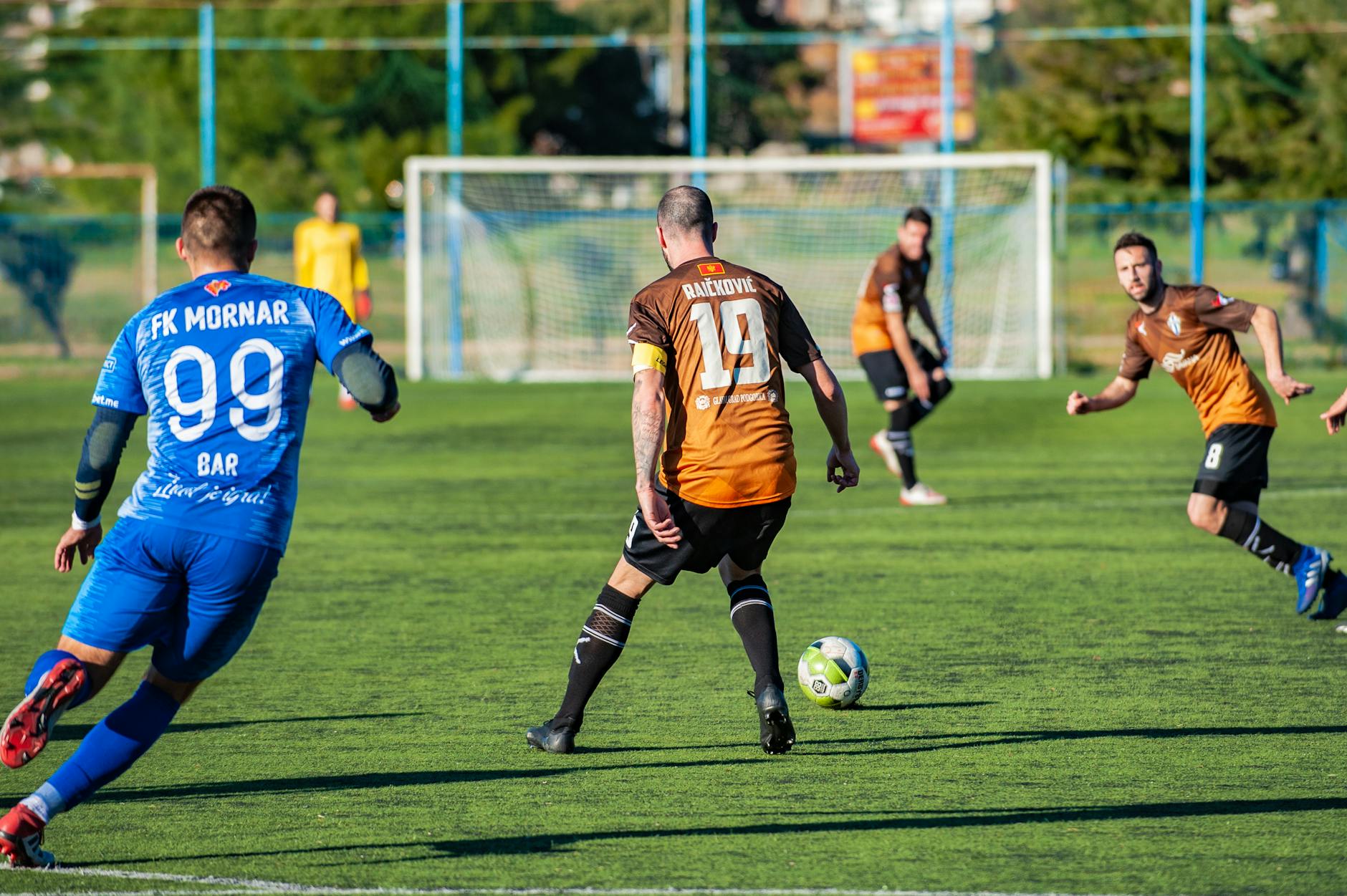
Ordering custom singlets for a soccer club sounds straightforward — until you’re knee-deep in fabric choices, decoration methods, minimum order quantities, and artwork files at midnight before your registration deadline. Whether you’re kitting out an under-10s team in suburban Adelaide or sourcing training vests for a semi-professional club in Sydney, getting your custom singlets right the first time saves money, frustration, and plenty of last-minute phone calls. This guide is built for club administrators, team managers, and resellers who want to navigate the Australian promotional and sportswear market with confidence.
Why Custom Singlets Matter for Australian Soccer Clubs
Soccer is one of Australia’s most popular participation sports, with hundreds of thousands of players registered across every state and territory. From the sprawling community leagues of Melbourne’s outer suburbs to competitive regional competitions in Townsville and Geelong, clubs are constantly sourcing playing strips, training singlets, and warm-up vests.
Custom singlets do more than cover the players — they build identity. A well-designed strip in your club’s colours tells the world who you are on the pitch. For resellers and merchandise agencies managing club accounts, this is one of the most consistent repeat-order categories you’ll encounter. Clubs re-order seasonally, grow their player base, and regularly need smaller top-up orders for new registrations.
Beyond on-field use, singlets also carry genuine sponsorship value. A local business logo on the chest or back of a custom singlet can be worn across an entire season of weekend fixtures, representing outstanding brand exposure per dollar compared to many traditional advertising formats. If you’re advising clubs on maximising sponsor value, this is worth communicating clearly. For a broader look at how branded products perform in different marketing contexts, our post on promotional product effectiveness in B2B vs B2C marketing is worth a read.
Key Fabric Options for Custom Singlets for Soccer Clubs in Australia
The fabric you choose will determine how your singlets perform on the pitch, how they print, and how long they last. Here’s what to look for.
Performance Polyester
This is the standard for most soccer singlets in Australia. Performance polyester — particularly 100% recycled polyester blends — is lightweight, moisture-wicking, and highly durable under repeated washing. It’s also the preferred substrate for sublimation printing, which we’ll cover shortly. Most club-grade singlets from reputable Australian sportswear suppliers are produced in performance polyester, typically in the 120–160gsm weight range.
Polyester-Spandex Blends
For clubs after a more body-contoured fit — especially at the senior or semi-professional level — a polyester-spandex blend (usually 90/10 or 88/12) offers stretch and recovery properties that move with the player. These fabrics are excellent for sublimation and are widely available through Australian sportswear wholesalers.
Cotton and Cotton Blends
While cotton isn’t common for on-field soccer singlets, it does appear in training vests and club merchandise tees. Cotton takes screen printing beautifully and is more comfortable for casual wear. If your club is producing off-field merchandise singlets for supporter merchandise, a cotton or cotton-blend option might be the right call.
Decoration Methods Explained
Choosing the right decoration method for your custom singlets is one of the most important decisions in the entire ordering process. The wrong method can result in cracked prints after a season, faded logos, or colours that don’t match your sponsor’s branding guidelines.
Sublimation Printing
Sublimation is by far the most popular decoration method for custom soccer singlets in Australia. The process uses heat and pressure to infuse dye directly into the polyester fibres, resulting in vibrant, full-coverage prints that won’t peel, crack, or fade with washing. The entire garment — front, back, sleeves, collar — can be printed as a single design, making it ideal for complex numbering systems, gradient colourways, and multi-colour club crests.
What you need to know:
- Sublimation only works on white or light-coloured polyester (80%+ content minimum)
- Full-colour artwork is handled at no extra cost — no separation fees
- Minimum order quantities typically start from 10–12 units for sublimated custom singlets
- Turnaround from approved artwork is usually 2–4 weeks for most Australian suppliers
Screen Printing
Screen printing is a cost-effective option for simpler designs with a limited number of colours. It’s well-suited to cotton and cotton-blend singlets and becomes increasingly economical as your order volume grows. A Brisbane club ordering 50+ training vests with a two-colour logo is an ideal screen printing scenario.
Setup fees typically apply per colour, and there are practical limits on the number of colours you can print affordably. For more complex artwork, screen printing costs can escalate quickly. If you’re sourcing screen-printed singlets as part of a broader event merchandise package, our guide on event merchandise for fun runs in Melbourne covers some useful crossover considerations.
Embroidery
Embroidery isn’t common on performance singlets due to weight and breathability concerns, but it can be appropriate for polo-style club shirts or warm-up jackets. For clubs wanting a premium, textured finish on their off-field apparel, embroidery is worth considering. Our detailed overview on embroidered polo shirts walks through what to expect from the process, including turnaround times and stitch count considerations.
Heat Transfer and DTF
Direct-to-film (DTF) and heat transfer methods offer flexibility for smaller runs and detailed artwork. These are increasingly popular for top-up orders of individual names and numbers, particularly when clubs need to kit out a player mid-season without ordering a full new batch.
Understanding MOQs, Pricing, and Turnaround Times
Budget is always a sticking point for community soccer clubs, which are often run by volunteers managing tight finances. Here’s a realistic breakdown of what to expect when sourcing custom singlets for soccer clubs in Australia.
Minimum Order Quantities (MOQs)
- Sublimated singlets: Generally 10–12 units per design/style
- Screen-printed singlets: Often 24–36 units depending on colour count
- Heat transfer/DTF: Can be as low as 1 unit — great for individual replacements
Typical Pricing Tiers
Pricing varies significantly based on fabric quality, supplier location, and decoration method. As a general guide for the Australian market in 2026:
- Basic sublimated singlets: $20–$45 per unit at moderate quantities (20–50 units)
- Premium sublimated with full-coverage print and numbering: $45–$80 per unit
- Screen-printed training singlets: $15–$30 per unit at 50+ quantity
- Setup fees for screen printing: typically $40–$80 per colour
For clubs with multiple teams (juniors, seniors, women’s), ordering all sizes together in one run is the most cost-effective approach. Resellers managing multiple club accounts can negotiate better pricing tiers by consolidating orders across clients.
Turnaround Times
Community clubs in Australia should allow a minimum of 3–4 weeks from artwork approval to delivery for sublimated singlets. Screen-printed orders may come in slightly faster, often within 2–3 weeks. Always factor in time for sample review, artwork revisions, and shipping — especially for clubs in regional areas like Darwin, Hobart, or rural WA, where freight adds days to any delivery schedule. If you’re also sourcing branded wholesale products in volume for clubs across multiple regions, our overview on wholesale promotional products in Sydney has relevant supplier guidance.
Artwork Requirements and Common Mistakes
Getting artwork right is where many first-time club orders go wrong. Suppliers printing custom singlets for soccer clubs in Australia will generally require vector files (AI, EPS, or PDF) for logos and crests. Avoid submitting low-resolution images cropped from a website — these never print cleanly.
Key artwork checklist:
- Vector logo files for all sponsor logos (request these directly from sponsors)
- Pantone (PMS) colour references for accurate colour matching
- Correct sizing specifications for numbers and name blocks
- Clear indication of placement for each design element
If your club is also managing sponsor compliance, collecting artwork from multiple businesses can be the most time-consuming part of the project. Start early.
Eco-Friendly Options Worth Considering
Sustainability is an increasingly important consideration for Australian sporting organisations in 2026. Several fabric options — including recycled polyester made from ocean plastic and other post-consumer materials — are now available through sportswear suppliers. These options carry comparable performance characteristics to virgin polyester and can be a compelling selling point for clubs looking to attract environmentally conscious sponsors. For context on how sustainable materials translate to branded products more broadly, our piece on recycled ocean plastic branded sunglasses for surf brands explores the supply chain and certification considerations.
Similarly, clubs involved in charity and community fundraising initiatives may want to consider how their apparel ordering ties into broader campaigns. Our post on pink ribbon branded products for breast cancer awareness is a useful reference for clubs running awareness-linked merchandise programs.
Tips for Resellers Managing Club Accounts
If you’re a promotional products reseller or merchandise agency handling soccer club accounts, a few additional considerations apply.
Batch and consolidate: Where possible, combine orders from multiple clubs sourcing through you to unlock better pricing tiers from suppliers.
Create a brief template: Clubs often struggle to articulate their requirements clearly. A simple briefing document covering club colours, player count per size, decoration preferences, and sponsor logo requirements will save multiple back-and-forth emails.
Offer a value-added bundle: Custom singlets pair naturally with other club merchandise — branded water bottles, tote bags, supporter caps, and warm-up gear. Pitching a complete kit gives clubs a one-stop solution and increases your average order value. Our overview of branded tote bags offers inspiration for what to bundle alongside apparel orders.
Build in a buffer: Always add 5–10% to your order quantity to cover growth in the squad, reprints due to sizing errors, and emergency replacements during the season.
Conclusion: Key Takeaways for Custom Singlets for Soccer Clubs in Australia
Sourcing the right custom singlets for soccer clubs in Australia involves more than just picking a colour and slapping on a logo. Whether you’re a club administrator managing your first kit order or a reseller handling multiple club accounts across a season, these key points will keep your project on track:
- Sublimation is the gold standard for on-field soccer singlets — vibrant, durable, and ideal for full-colour designs on polyester fabrics
- Plan your timeline carefully — allow at least 3–4 weeks from artwork approval, and longer for clubs in regional or remote locations
- Artwork quality makes or breaks the final product — always collect vector files and PMS colour references before submitting your order
- MOQs and pricing vary widely — consolidating orders across teams or multiple clubs is the most effective way to manage costs
- Eco-friendly fabric options are now practical and available — worth exploring for clubs wanting to align with sustainability goals or attract like-minded sponsors
- Resellers should bundle apparel with accessories — singlets are a natural anchor product that opens doors to broader merchandise relationships with sporting clubs