
Custom Cotton Garment Bags in Australia: The Complete Sourcing Guide
Everything businesses and resellers need to know about sourcing custom cotton garment bags in Australia, from MOQs to decoration methods.

Written by
Oscar Tanaka
Bags & Totes
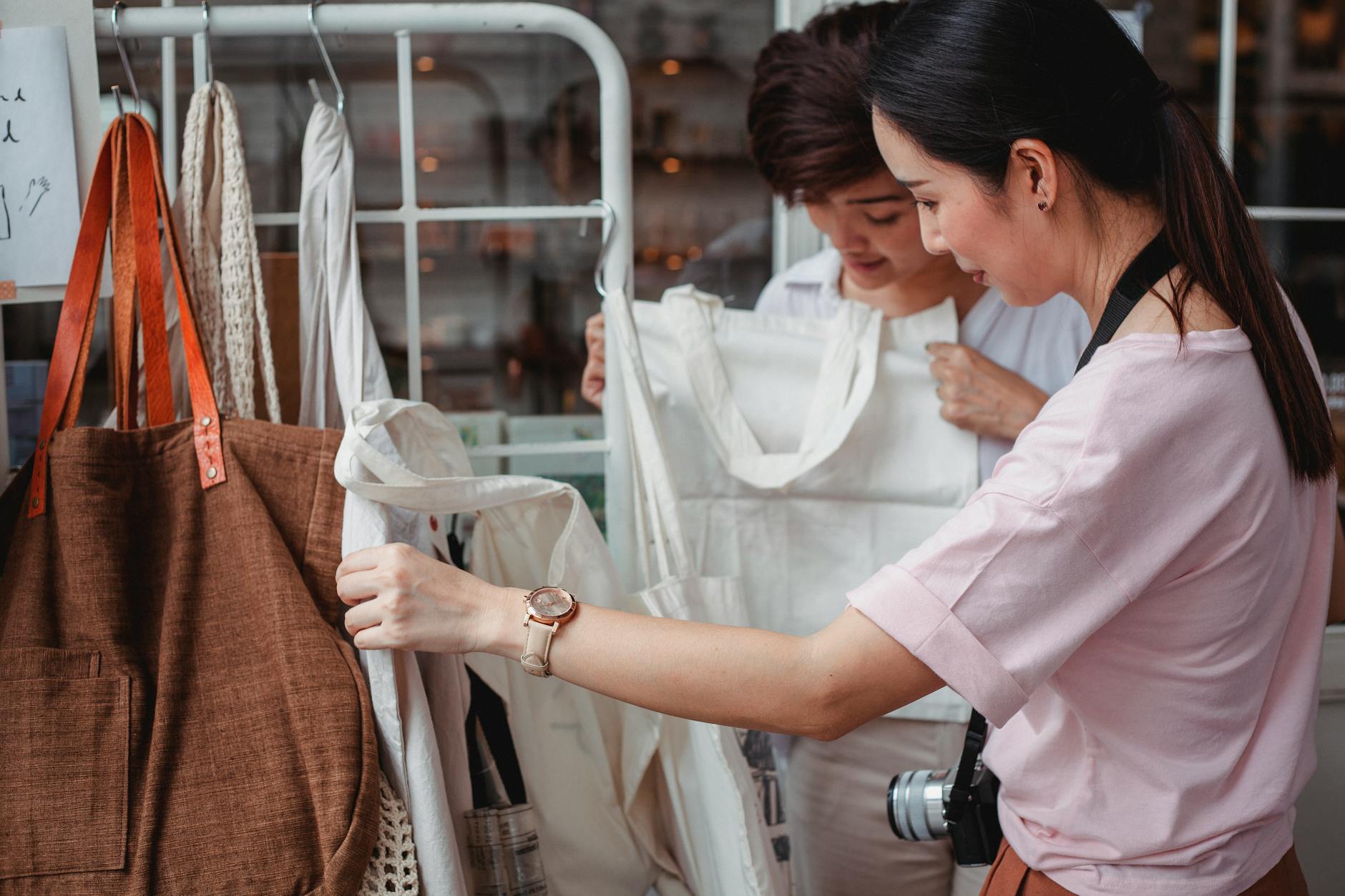
When a client receives a product wrapped in a beautifully branded cotton garment bag, something shifts. The experience feels considered, premium, and intentional — and that impression sticks. For businesses, marketing agencies, and resellers operating in Australia, custom cotton garment bags represent a powerful intersection of practicality and brand storytelling. Whether you’re sourcing packaging solutions for a boutique fashion label in Melbourne, a winery gift experience in the Barossa Valley, or a corporate gifting campaign in Sydney, the right garment bag transforms a product into a presentation. This guide breaks down everything you need to know — from material options and decoration methods to minimum order quantities, lead times, and finding the right supplier.
What Are Custom Cotton Garment Bags and Why Are They in Demand?
Cotton garment bags are reusable fabric pouches or covers designed to protect, store, and present clothing or other merchandise. Typically made from natural cotton canvas, muslin, or calico, they’re used across a wide range of industries as both protective packaging and a branding canvas.
The demand for custom cotton garment bags in Australia has grown significantly over the past few years, and for good reason. Australian consumers and businesses alike are shifting towards sustainable, reusable alternatives to single-use plastic packaging. A branded cotton bag doesn’t just protect your product during transit or gifting — it becomes a secondary marketing asset that your customer continues using long after the purchase.
Industries driving demand include:
- Fashion and apparel brands using garment bags as product packaging for online orders
- Wineries and bottle shops presenting bottles or accessories in branded cloth pouches
- Hotels and resorts offering laundry and garment storage bags as part of premium room amenities
- Corporate gifting programs where the bag itself becomes part of the gifted item
- Charity and fundraising campaigns where reusability aligns with the brand’s values
- Retail boutiques creating unboxing experiences that justify premium price points
For resellers and marketing agencies, the ability to offer a complete branded packaging solution — including the bag — is a genuine point of differentiation. If you’re building out your product catalogue, understanding this category in depth will help you better serve your clients.
Cotton Bag Styles, Materials, and Construction Options
Not all cotton garment bags are the same, and the style you choose will depend heavily on the intended use case. Here’s a breakdown of the most common configurations available from Australian promotional product suppliers.
Drawstring Garment Bags
Drawstring-closure cotton bags are among the most popular formats. They’re simple, cost-effective, and versatile. Common applications include shoe bags, laundry bags, lingerie pouches, and small product packaging. The drawstring mechanism typically uses natural cotton cord or nylon rope, and the bag body is usually made from calico (unbleached cotton) or canvas.
Zippered Cotton Pouches
For a more structured, premium presentation, zippered cotton bags offer a neater finish. These are often used for jewellery packaging, cosmetics, or high-value corporate gifts. The added security of a zipper makes them ideal for items that need to stay contained during shipping.
Suit and Dress Garment Covers
Larger format garment bags designed to hang are commonly used in fashion retail, wedding hire businesses, and dry-cleaning services. While these typically require a more specialised garment bag supplier, there are Australian companies that can produce branded versions with custom printing or embroidery.
Material Weight and Quality
Cotton garment bags are produced in varying fabric weights, typically measured in grams per square metre (GSM):
- 80–100 GSM: Lightweight muslin or calico — ideal for low-cost promotional use, seed packets, or small merchandise pouches
- 120–200 GSM: Mid-weight canvas — the most versatile option for branded packaging, corporate gifts, and retail use
- 250–400 GSM: Heavy-duty canvas — used for more premium products, long-term storage solutions, or items that need robust protection
Choosing the right GSM is as important as choosing the right size. For most corporate and retail applications, a 140–180 GSM natural cotton or calico bag strikes the right balance between quality and affordability. If you’re exploring related bag formats that also perform well as branded merchandise, our overview of branded tote bags is worth reading alongside this guide.
Decoration Methods for Custom Cotton Garment Bags
One of the most important decisions you’ll make when ordering custom cotton garment bags in Australia is which decoration method to use. Each technique has its own look, feel, price point, and suitability for different artwork styles.
Screen Printing
Screen printing is the most widely used method for cotton garment bags in promotional and retail settings. It’s cost-effective at volume, produces vibrant results on natural-coloured fabric, and works well for bold logos, text-heavy designs, or simple illustrations. Most suppliers will work to PMS colour matching to ensure brand consistency.
Typical screen printing MOQs for cotton bags range from 50 to 100 units, depending on the number of colours. Each additional colour in the artwork typically adds a setup fee, so simple one or two-colour logos are the most economical to print.
Heat Transfer Printing
Heat transfer allows for more detailed, multi-colour, or photographic prints without the colour-by-colour setup cost of screen printing. It’s ideal for smaller runs where the design complexity would make screen printing prohibitively expensive. The trade-off is that heat transfer prints may not feel as premium as screen printing on natural fabrics — something worth discussing with your supplier based on the client’s expectations.
Embroidery
For garment bags targeting the premium market — think hotel amenities, wedding gifts, or corporate gifting — embroidery adds a tactile, high-end finish that screen printing simply can’t replicate. Logos with clean lines and limited colours are best suited to embroidery. It does carry a higher per-unit cost and requires a digitised artwork file (a one-time setup fee), but the longevity and prestige of the result often justifies the investment.
Sublimation
Sublimation printing is less commonly used on natural cotton (it works better on polyester-blend fabrics), but if you’re working with light-coloured cotton-poly blends, sublimation can produce full-colour, edge-to-edge designs. This method is worth considering for fashion-forward or festival-style products. For a deeper understanding of how different inks and printing techniques interact with curved and fabric surfaces, this pad printing ink selection guide offers useful technical context.
Minimum Order Quantities, Lead Times, and Pricing
Understanding the commercial realities of sourcing custom cotton garment bags in Australia is essential for resellers and marketing agencies quoting client projects.
Typical MOQs
- Drawstring calico bags: 50–100 units for screen printing; some suppliers offer lower MOQs for heat transfer
- Zippered pouches: 100–250 units depending on size and decoration
- Embroidered bags: 50 units minimum is standard, though some suppliers require 100+
For smaller campaigns, it’s worth asking suppliers about blank stock they can customise on shorter runs. Some Melbourne-based and Sydney-based distributors hold ready-to-decorate stock, which can significantly reduce lead times for urgent orders.
Lead Times
For standard orders with no custom manufacturing:
- Screen printed calico bags: 10–15 business days after artwork approval
- Embroidered bags: 12–18 business days depending on complexity
- Rush orders: Some suppliers offer 5–7 business day turnarounds for an additional fee
If you’re ordering as part of a larger event or campaign, build in at least two to three weeks of buffer beyond the quoted lead time. Delays in artwork approval, stock availability, or shipping (particularly for deliveries to regional Queensland, Western Australia, or the Northern Territory) are common variables.
Budget Considerations
Pricing varies considerably based on bag size, material weight, print complexity, and quantity. Rough indicative pricing:
- Lightweight drawstring calico bags (1 colour print, 100 units): $3–$6 per unit
- Mid-weight cotton canvas zip pouches (2 colour print, 100 units): $6–$12 per unit
- Premium embroidered garment bags (100 units): $15–$25+ per unit
Always request itemised quotes that separate product cost, setup fees, freight, and GST. For agencies managing client budgets, this transparency is important for accurate margin calculations. If you’re navigating broader supplier selection decisions, our guide on wholesale promotional products in Sydney covers useful evaluation criteria that applies equally to garment bag sourcing.
Use Cases and Campaign Ideas for Custom Cotton Garment Bags
Understanding the full range of applications helps resellers position these products more effectively with clients.
Retail Packaging and Unboxing
Fashion boutiques and online retailers across Australia are increasingly using branded cotton bags as primary packaging — replacing plastic polybags with something their customers will reuse. A cotton bag with a screenprinted logo becomes a shopping bag, a gym bag, or a travel pouch, extending the brand’s reach well beyond the original purchase.
Corporate Gifting and Event Merchandise
A branded cotton drawstring bag makes an excellent carrier for event merchandise kits. Think conference swag, gala dinner gift bags, or branded merchandise packs for product launches. For inspiration on structuring high-impact event gift packages, our guide on event swag for gala dinners in Australia explores how to build memorable gifting experiences that resonate with attendees.
Custom garment bags also work beautifully as packaging for branded merchandise in tech-oriented events — a clean calico drawstring pouch to present a branded cable set or charging kit adds perceived value instantly. For a different angle on tech-event merchandise, our post on hackathon branded swag for tech event participants shows how packaging elevation affects the overall gifting experience.
Winery and Hospitality Gifting
A branded cotton wine pouch accompanying a bottle of wine transforms a transaction into a keepsake. Wineries and bottle shops across South Australia, Victoria, and the Hunter Valley region of New South Wales are already doing this effectively. Our guide on personalised wine gift boxes for winery tasting room sales explores complementary gifting formats that pair well with branded garment bags.
Charity and Cause-Related Campaigns
For not-for-profits and cause-driven organisations, a reusable cotton bag signals values alignment. Whether it’s a breast cancer awareness campaign or a sustainability initiative, the reusable nature of cotton garment bags reinforces the message. Our post on pink ribbon branded products for breast cancer awareness is a useful reference for campaigns where product choice needs to reflect cause credibility.
Real Estate and Property Gifting
Settlement gifts are an underutilised opportunity in real estate, and a branded cotton bag filled with thoughtfully chosen items creates a memorable moment. For more on building effective real estate gifting packages, check out our posts on promotional recipe cards for real estate settlement gifts in Australia and promotional smart home devices for real estate gifts.
Sustainability Credentials and Certifications
For businesses and agencies sourcing custom cotton garment bags in Australia, sustainability claims need to be backed by evidence. Key certifications to look for when evaluating suppliers include:
- GOTS (Global Organic Textile Standard): Certifies that cotton is organically grown and processed without harmful chemicals
- OEKO-TEX Standard 100: Certifies that the fabric and finished product are free from harmful substances
- Fair Trade certification: Indicates ethical labour practices throughout the supply chain
Always ask suppliers to provide documentation for any sustainability claims. Greenwashing is a genuine risk, and your clients — particularly government departments, councils, and large corporates — may require certification evidence as part of procurement compliance. Our post on promotional product certification and quality standards updates covers this area in more detail.
For agencies building eco-focused campaigns, custom cotton garment bags sit naturally alongside other sustainable branded merchandise categories like recycled ocean plastic branded sunglasses for surf brands, demonstrating that a fully sustainable gifting package is achievable across product categories.
You might also find value in understanding how promotional product effectiveness differs in B2B vs B2C marketing — particularly relevant when deciding whether garment bags belong in a trade audience gifting pack versus a consumer retail campaign.
Key Takeaways
Sourcing custom cotton garment bags in Australia is a genuinely versatile opportunity for resellers, marketing agencies, and businesses looking to elevate their branding and packaging game. Here’s what to take from this guide:
- Match material weight to the use case — lightweight calico for promotional giveaways, heavier canvas for premium gifting and retail packaging
- Screen printing offers the best value at volume, while embroidery is the go-to for premium, tactile finishes on corporate and hospitality products
- Plan for 12–18 business days minimum from artwork approval to delivery, and build buffer time into client projects — especially for complex orders or deliveries to regional areas
- Ask for sustainability certifications (GOTS, OEKO-TEX, Fair Trade) when sourcing for eco-conscious clients or government buyers, and never take green claims at face value
- Custom cotton garment bags work hardest as part of a broader gifting or packaging strategy — pair them with other branded products to create cohesive, memorable brand experiences that your clients’ customers will genuinely value and reuse