
Branded First Aid Kits for Gym and Fitness Centres: A Complete Sourcing Guide
Discover how Australian gyms and fitness centres can source branded first aid kits that boost safety, professionalism, and brand visibility.

Written by
Zara Kelly
Industry Leadership
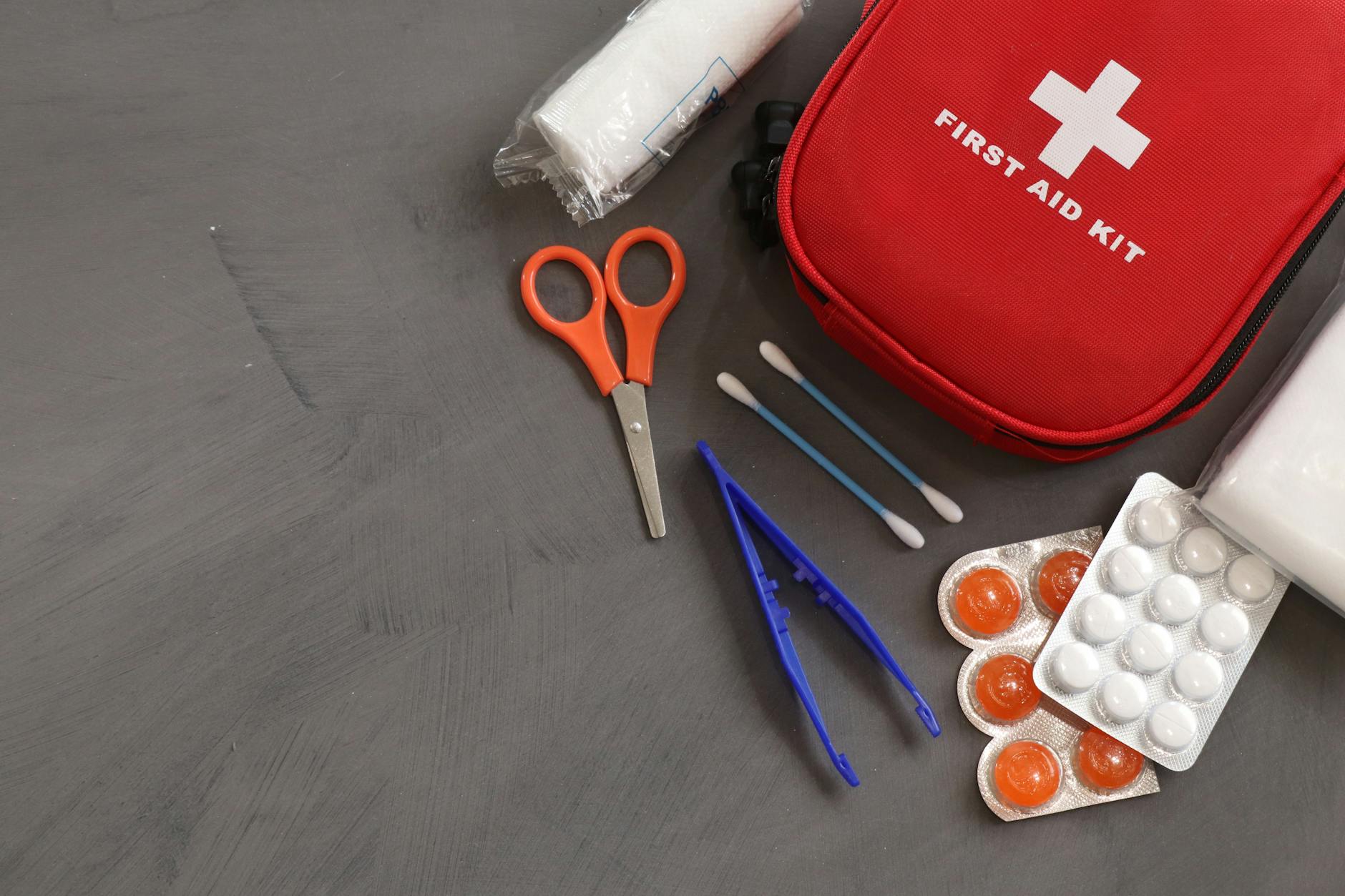
Branded first aid kits might not be the most glamorous item in a gym’s merchandise lineup, but they might just be the most impactful. For fitness centres, personal training studios, and health clubs across Australia, a custom-branded first aid kit sends a powerful message: we take your safety seriously. It’s practical, it’s visible, and when done right, it puts your logo in front of members every single day. Whether you’re a marketing agency sourcing merchandise for a fitness client, a reseller looking to expand your product range, or a gym operator wanting to align safety with brand identity, this guide covers everything you need to know about sourcing branded first aid kits for gym and fitness centres in Australia.
Why Branded First Aid Kits Make Sense for the Fitness Industry
The Australian fitness industry is one of the fastest-growing sectors in the country. From boutique CrossFit boxes in Brisbane to large-scale gym chains operating across Sydney, Melbourne, and Perth, fitness businesses are constantly looking for ways to differentiate themselves and reinforce their professionalism.
First aid kits are a legal requirement for most commercial fitness facilities under Australian Work Health and Safety (WHS) legislation. Every gym needs them — full stop. But most facilities simply stock a generic red plastic case with a green cross. That’s a missed branding opportunity.
A well-branded first aid kit does several things simultaneously:
- It demonstrates a commitment to member safety and wellbeing
- It creates a visual brand touchpoint in a high-traffic, high-visibility space
- It positions the gym as professional, organised, and trustworthy
- It can be gifted to personal training clients or included in membership welcome packs
For resellers and marketing agencies pitching to fitness industry clients, this is exactly the kind of practical product that resonates — because unlike a novelty giveaway, it genuinely gets used.
It’s also worth noting that branded health and wellness products sit within a broader category of purpose-driven promotional merchandise. Much like our guide to promotional product effectiveness in B2B vs B2C marketing explores, items that serve a real function tend to generate far stronger brand recall than decorative-only pieces.
What to Look for When Sourcing Branded First Aid Kits in Australia
Not all first aid kits are created equal, and the same applies to branded versions. When evaluating suppliers and products, there are several key factors to consider.
Compliance and Contents
Any first aid kit supplied to a commercial gym or fitness studio should comply with the relevant Australian Standards — specifically AS/NZS 2675 (Portable First Aid Kits) or the requirements outlined by Safe Work Australia. The contents should include essentials like bandages, adhesive dressings, antiseptic wipes, gloves, CPR face shield, and a first aid booklet.
Some suppliers offer modular kits where contents can be customised to suit specific environments. A gym, for instance, might benefit from including blister pads, sports strapping tape, or instant ice packs — items more likely to be needed in a fitness setting than a standard office kit.
Always confirm that the kit contents meet WHS obligations for the specific state or territory your client is operating in, as requirements can vary slightly between jurisdictions.
Branding Area and Decoration Method
The size and surface of the first aid kit casing will determine your decoration options. Most hard-case first aid kits feature a flat or slightly curved exterior surface, which makes them well-suited to:
- Pad printing — ideal for smaller branding areas on curved or contoured surfaces. If you’re new to this technique, our pad printing ink selection guide for curved surfaces is a useful starting point.
- Digital printing — allows for full-colour, high-detail artwork reproduction and works particularly well on larger flat surfaces.
- Screen printing — cost-effective for bulk orders with simple, bold logo designs and limited colours.
- Laser engraving — an option for premium metal or hard plastic cases, producing a sleek, tactile finish.
Soft-shell bag-style first aid kits offer additional options, including embroidery and heat transfer printing. These tend to suit a more lifestyle-oriented aesthetic, which might appeal to a boutique yoga studio or personal training brand.
MOQs and Turnaround Times
For resellers and agencies working on fitness industry projects, it’s important to have a clear picture of realistic minimum order quantities. Branded first aid kits typically carry MOQs between 25 and 100 units, depending on the supplier and the complexity of the customisation. Smaller boutique gyms may baulk at higher MOQs, so identifying suppliers who can accommodate lower quantities without excessive setup fees is valuable.
Turnaround times generally range from 10 to 20 business days for locally decorated stock, though rush orders are sometimes available at a premium. If you’re sourcing for a gym opening event or a specific campaign launch date, build in buffer time — particularly if artwork approvals are involved.
Product Categories and Configurations to Consider
When pitching branded first aid kits to fitness clients, it helps to present a few different configurations at different price points. Here’s a practical breakdown:
Entry-Level: Wall-Mounted Hard Case Kits
These are the workhorses of gym safety compliance. A branded hard-case kit mounted at reception, on the gym floor, or in changing rooms creates a constant visual brand impression for members. Expect to pay somewhere in the range of $18–$45 per unit (before decoration costs) depending on kit size and contents.
Pad printing or screen printing a logo in one to two colours is the most cost-effective approach at this level.
Mid-Range: Portable Soft Bag First Aid Kits
Zipper-close first aid bags in nylon or canvas are increasingly popular with personal trainers and smaller studios. They’re portable, lightweight, and offer a generous branding area. Embroidery is particularly effective here — it adds a premium, tactile quality to the finished product.
These bags lend themselves to bundle opportunities. A personal training studio could gift one to each new client alongside other welcome pack items — creating a useful, memorable brand touchpoint from day one.
Premium: Fully Custom Branded Kits
For larger gym chains or fitness brands with serious marketing budgets, fully custom-produced first aid kits — where the casing, contents, and packaging are all branded — represent the premium tier. These typically involve overseas production with longer lead times (often 8–14 weeks) and higher MOQs, but the result is a product that genuinely stands out.
This approach works particularly well as part of a broader merchandise strategy. A Gold Coast fitness brand, for example, might pair custom first aid kits with embroidered polo shirts for staff uniforms and branded tote bags — creating a cohesive visual identity throughout the facility. Speaking of which, branded tote bags make an excellent accompaniment in member welcome kits alongside a compact first aid pouch.
How Resellers Can Package This Product Effectively
If you’re a reseller or agency approaching fitness industry clients with branded first aid kits, the pitch is straightforward: it’s a product you already need, so why not make it work harder for your brand?
Here are a few strategies to help close the sale and add value:
Bundle with complementary health and safety products. A branded first aid kit paired with a logoed water bottle, a branded microfibre towel, or custom gym bag creates a cohesive safety-meets-lifestyle package. Think about how event merchandise is curated for fun runs and fitness events in Melbourne — the same layered product thinking applies here.
Tie it to a gym anniversary, rebranding, or new location opening. These milestone moments create a natural reason to invest in updated branded assets across the facility, including safety equipment.
Lead with the compliance angle. Gym owners and operators respond to anything that simplifies their WHS obligations. If you can position branded first aid kits as a compliance solution and a marketing asset, you’re solving two problems at once.
Consider recognition and achievement products as part of a broader pitch. Many gyms also invest in branded plaques for sporting achievement ceremonies, member milestones, or PT of the year awards. Positioning yourself as a one-stop supplier for branded fitness products strengthens your relationship with the client.
It’s also worth thinking about the broader context of your wholesale sourcing strategy. If you’re based in New South Wales, our guide to wholesale promotional products in Sydney covers useful supplier considerations that apply equally to health and wellness product categories.
Artwork and Setup: Getting It Right First Time
One area where branded first aid kit orders frequently run into delays is artwork preparation. Here are a few practical tips:
- Submit vector files (AI, EPS, or PDF) wherever possible. Raster images (JPEG, PNG) lose quality when scaled up and are often rejected by decorators.
- Understand the print area dimensions before finalising artwork. First aid kits vary significantly in size — a compact belt-pouch kit and a large wall-mounted cabinet have very different branding windows.
- PMS colour matching is worth requesting if brand consistency is critical. Without it, colours can shift between print runs or across different substrates.
- Request a pre-production proof before committing to a full run. This is especially important for first-time clients who may not have experience with promotional product decoration.
Conclusion: Key Takeaways for Sourcing Branded First Aid Kits for Gym and Fitness Centres
Branded first aid kits represent one of the most practical and compliance-relevant branded merchandise opportunities in the Australian fitness industry. For resellers, agencies, and gym operators alike, they offer genuine utility, strong visual impact, and a compelling dual message of safety and professionalism.
Here are the key points to carry forward:
- Ensure compliance first — any first aid kit supplied to a commercial fitness facility should meet Australian Standards and Safe Work Australia guidelines for your state or territory.
- Match the decoration method to the surface — pad printing, screen printing, digital printing, embroidery, and laser engraving each suit different kit styles and budget levels.
- Know your MOQs — most branded first aid kits carry minimum order quantities of 25–100 units; identify suppliers who can accommodate smaller gyms and boutique studios.
- Bundle strategically — pairing first aid kits with complementary branded products strengthens the pitch and increases order value for resellers and agencies.
- Prioritise artwork quality — vector files, correct print area specs, and a pre-production proof approval process will save time, money, and frustration on every order.
With the right supplier and a well-considered approach, branded first aid kits for gym and fitness centres can become a standout product in any health and wellness merchandise offering — practical enough to be used every day, and professional enough to make a lasting impression.